

Going to the dentist can feel impossible when anxiety takes over. Your heart races, your palms sweat, and the thought of sitting in that chair makes you want to cancel your appointment.
Many people avoid dental care for years because of these overwhelming feelings.
Sedation dentistry for dental anxiety can help patients feel calm and relaxed during their appointments without being fully asleep.
This approach uses medication to reduce fear and stress so you can get the dental care you need.
Whether you have panic attacks before appointments or avoid the dentist completely, sedation options might be the solution that finally helps you take care of your teeth.
Around 36% of people experience dental anxiety, so you are not alone in feeling this way. The good news is that dentists now have several sedation methods that can make your visit comfortable and manageable.
Learning about these options can help you decide if sedation dentistry is right for you.
Key Takeaways
- Sedation dentistry uses medication to help you stay calm and relaxed during dental procedures while you remain awake and responsive
- Different sedation levels are available based on your anxiety severity, from mild nitrous oxide to deeper oral or IV sedation options
- Working with a trained sedation dentist ensures safe monitoring throughout your appointment and helps you finally get needed dental care
Understanding Severe Dental Anxiety
Dental anxiety exists on a spectrum from mild nervousness to intense fear that prevents people from getting dental care.
The root causes vary widely, and the consequences extend beyond just oral health to affect your overall quality of life.
Defining Dental Anxiety Versus Dental Phobia
Dental anxiety and dental phobia are related but different conditions. Dental anxiety refers to feeling worried or uneasy about dental visits.
You might feel butterflies in your stomach or have trouble sleeping the night before an appointment.
Dental phobia is more intense. It’s an extreme fear of the dentist that keeps you from going. If you have a dental phobia, just thinking about a dental appointment might trigger panic attacks, sweating, or a rapid heartbeat.
Severe dental anxiety falls somewhere between these two. You recognize you need dental care, but your fear of the dentist makes it extremely difficult to follow through.
You might cancel appointments repeatedly or only go when you have a dental emergency.
The key difference is the extent to which the fear impacts your behavior. Anxiety makes dental visits uncomfortable. Phobia prevents them entirely.
Common Causes and Triggers
Your dental fear often stems from specific experiences or concerns. Past traumatic dental experiences top the list, especially procedures that involved pain or feeling out of control.
Common triggers include:
- Fear of pain or needles
- Sounds of dental equipment like drills
- Feeling helpless while lying in the dental chair
- Embarrassment about the condition of your teeth
- Fear of gagging or choking
- Previous negative interactions with dental staff
Some people develop dental anxiety without ever having a bad experience. You might have general anxiety that extends to medical settings. Others learn fear from parents or family members who were afraid of dentists.
Sensory sensitivities play a role too. The bright lights, clinical smells, and sounds of the dental office can overwhelm you if you’re sensitive to these stimuli.
Impact on Oral Health and Wellbeing
Avoiding dental care because of anxiety creates serious problems. Research shows that most Americans skip necessary dental care due to fear. This avoidance leads to a downward spiral.
When you skip routine cleanings and checkups, small problems become big ones. A cavity that could have been fixed with a simple filling turns into a root canal. Gum disease progresses unchecked.
Eventually, you might lose teeth that could have been saved.
The psychological toll is heavy too. You might feel ashamed about your oral health. The constant worry about your teeth creates ongoing stress.
Social situations become uncomfortable if you’re self-conscious about your smile.
People with dental phobia are more likely to have missing teeth, untreated decay, and periodontal disease. These oral health outcomes affect your ability to eat comfortably, speak clearly, and feel confident in social settings.
Your physical health suffers too. Poor oral health connects to heart disease, diabetes complications, and other systemic conditions.
Anxiety management becomes essential not just for getting dental care, but for protecting your overall health.
If dental anxiety has kept you from the dentist for too long, our team understands and can help. Contact our Lyndhurst, Ohio, clinic today to discuss how we can make your next visit stress-free.
What Is Sedation Dentistry?
Sedation dentistry uses medications to help you relax during dental procedures, with options ranging from mild relaxation to deeper sedation based on your anxiety level and treatment needs.
How Sedation Dentistry Works
Sedation dentistry uses proven medications to calm your nerves while your dentist completes your treatment. You’ll receive medication before or during your appointment to reduce fear and help you stay comfortable throughout the procedure.
Your dentist pairs sedation with local anesthesia to control pain. The sedation handles your anxiety while the numbing medication ensures you don’t feel discomfort during the work.
Most forms of dental sedation keep you awake and responsive. You can follow simple instructions and answer questions, but you’ll feel deeply relaxed.
This is different from general anesthesia used in hospitals, which makes you completely unconscious.
Your dental team monitors your vital signs throughout the appointment. They track your heart rate, blood pressure, breathing, and oxygen levels to keep everything safe.
The sedation dentistry process includes careful planning before your visit, continuous monitoring during treatment, and observation afterward until you’re ready to leave.
Who Can Benefit Most
Sedation is especially helpful if you avoid dental visits because of fear, have a strong gag reflex, or need several procedures in one appointment.
You might be a good candidate if past dental experiences left you feeling traumatized or anxious.
People who struggle to sit still for long periods often benefit from sedation options. If you have sensory sensitivities that make dental sounds, lights, or textures overwhelming, sedation can make your visit much easier.
You may also benefit if you need complex procedures such as extractions, root canal therapy, or implant placement. Sedation methods allow your dentist to work more efficiently while you stay calm and comfortable.
Role of the Sedation Dentist
Your sedation dentist reviews your medical history, current medications, and past sedation experiences before recommending a course of action.
They perform an airway assessment and discuss which sedation options match your needs and the planned procedure.
During treatment, they adjust medication levels based on your response. A trained team member continuously watches your monitors and your physical state while the dentist focuses on the dental work.
Your sedation dentist provides clear instructions about fasting, arranging transportation, and what to expect during recovery. They make sure you understand the plan and feel comfortable asking questions before moving forward with your care.
Types and Levels of Sedation for Severe Anxiety
Sedation dentistry uses different medications and delivery methods to help you relax during dental work. The right option depends on how anxious you feel and what procedure you need.
Minimal and Moderate Sedation Options
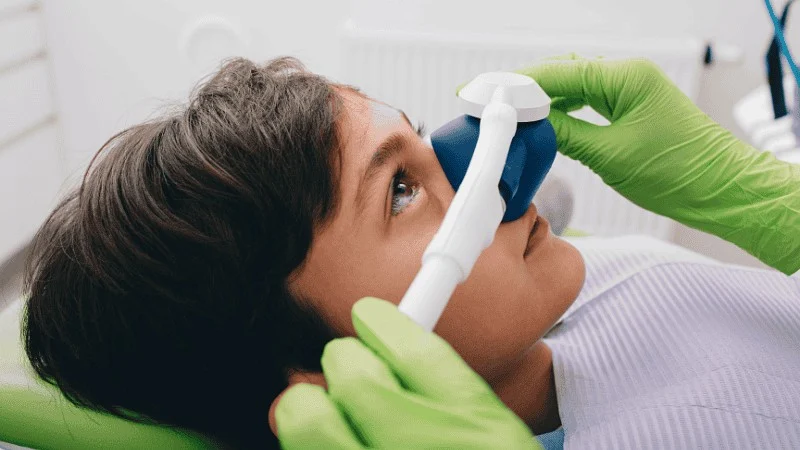
Minimal sedation keeps you awake but relaxed during your appointment. Nitrous oxide, often called laughing gas, is the most common choice for this level.
You breathe it through a small mask over your nose, and it works within minutes to help you feel calm and slightly lightheaded.
The effects wear off quickly after your dentist removes the mask, so you can drive yourself home.
Moderate sedation, also known as conscious sedation, puts you in a deeper state of relaxation. Oral sedation is the most popular method at this level.
Your dentist prescribes a pill from the benzodiazepine family, such as Halcion (triazolam), Valium, or diazepam. You take the medication about an hour before your appointment.
With moderate sedation, you stay awake but feel drowsy and may not remember much of the procedure.
Many patients with severe anxiety prefer this option because the sedative drugs create a strong sense of calm.
You’ll need someone to drive you to and from your appointment since the effects can last several hours.
Deep Sedation and General Anesthesia
Deep sedation through IV sedation puts you on the edge of consciousness. Your dentist delivers intravenous sedation directly into your bloodstream through a small needle in your arm or hand.
This method works faster than oral sedation and allows your dentist to adjust your level of sedation during the procedure.
Most patients under deep sedation feel like they’re sleeping and remember little to nothing afterward. You can still respond to commands, but you likely won’t feel pain or anxiety.
General anesthesia is the deepest level of sedation and makes you completely unconscious.
Dentists typically reserve this option for extensive oral surgery, patients with extreme dental phobia, or those with special healthcare needs. An anesthesiologist monitors you throughout the procedure in a controlled setting.
Choosing the Right Sedation Method
Your dentist considers several factors when recommending a sedation method for you. The length and complexity of your dental procedure play a major role.
Simple cleanings might only need nitrous oxide, while root canals or extractions often require moderate to deep sedation.
Your level of dental anxiety matters most. If you have severe dental anxiety or phobia, your dentist may suggest starting with oral sedation or IV sedation rather than minimal options.
Your medical history and current medications also affect which sedative drugs are safe for you.
Key factors your dentist evaluates:
- How anxious you feel about dental work
- The type and length of procedure you need
- Your overall health and medication list
- Whether you have a strong gag reflex
- Your previous experiences with sedation
Talk openly with your dentist about your fears and concerns. They can explain each option and help you understand what to expect before, during, and after your appointment.
Join our family of smiling patients who once struggled with anxiety but now receive regular care with confidence. Complete your new patient registration today and take the first step toward a healthier smile.
Benefits and Limitations of Sedation Dentistry
Sedation dentistry offers several advantages for anxious patients, from controlling physical reflexes to enabling complex treatments.
However, it also comes with certain considerations that you should understand before choosing this option.
Reducing Pain and Gag Reflex
Sedation dentistry helps with pain management during dental procedures by reducing your awareness of discomfort. The medications work on your nervous system to minimize pain signals reaching your brain.
If you have a strong gag reflex, sedation can make a big difference. Many patients gag during dental procedures, making it difficult for the dentist to complete treatments safely.
Sedation relaxes the muscles in your throat and reduces the sensitivity that triggers gagging.
This benefit is especially helpful during procedures that require work in the back of your mouth. Root canals, crown preparations, and impressions become much easier to tolerate.
You can receive the dental care you need without the constant interruption of gagging or discomfort.
Improving Patient Cooperation and Comfort
When you’re relaxed through sedation, you can sit still for longer periods. This is important for complex procedures that take more time to complete.
Your dentist can work more efficiently when you’re calm and cooperative.
Sedation dentistry reduces anxiety, so you don’t spend the entire visit feeling tense or fearful. For patients with dental fear, this can be life-changing.
You might even have limited memory of the procedure afterward, which helps prevent future anxiety.
The comfort level varies based on the type of sedation you choose. Nitrous oxide provides mild relaxation while keeping you fully alert.
Oral sedation creates deeper relaxation with some drowsiness. IV sedation offers the deepest level of comfort while you remain technically conscious.
Limitations and Considerations
Not everyone qualifies as a good candidate for sedation dentistry. Your medical history plays a big role in determining safety.
Conditions such as sleep apnea, heart disease, or respiratory issues may limit your sedation options.
The cost is another factor to consider. Many insurance plans don’t cover sedation, so you’ll likely pay out of pocket. Prices vary based on the type of sedation and the length of your procedure.
You’ll need extra time for preparation and recovery. Most sedation methods require fasting beforehand. You’ll also need someone to drive you home and stay with you afterward.
Some side effects, like drowsiness, nausea, or headaches, can occur, though they typically resolve quickly.
Safety, Medical Review, and Professional Oversight
Before you receive sedation, your dentist needs to review your complete medical background and confirm you’re a good candidate.
Trained professionals monitor you throughout the procedure and have emergency protocols ready if needed.
Medical History Review and Candidacy
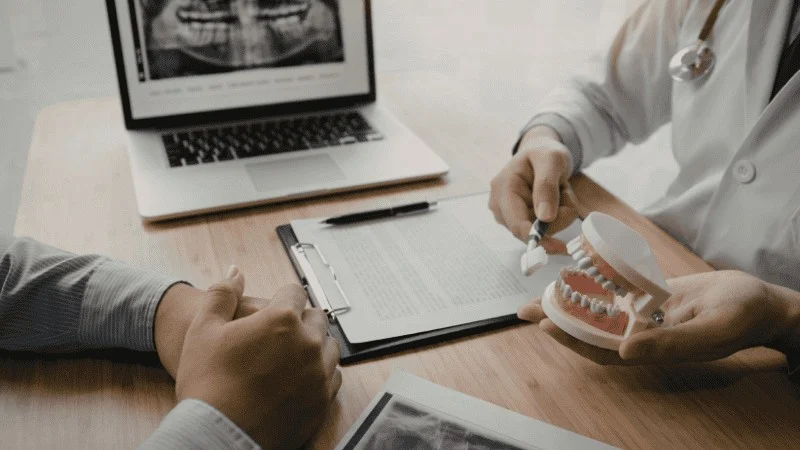
Your dentist will ask about your current medications, allergies, and any health conditions before approving sedation. This review helps identify potential risks or drug interactions that could cause complications.
You’ll need to share information about heart problems, breathing issues, sleep apnea, or previous reactions to anesthesia. Some medical conditions make certain types of sedation unsafe for you.
Young children and patients with complex health issues require extra careful evaluation. Your dentist may consult with your primary care doctor or a specialist to make sure sedation is appropriate for your situation.
Research shows that factors like your age, weight, and overall health determine which sedation level works best for you.
Pediatric sedation requires specific measures because children face a higher risk of breathing complications during dental procedures.
Role of Dental Anesthesiologists
A dental anesthesiologist completes several additional years of training focused specifically on sedation and anesthesia for dental patients. These specialists manage your sedation while your dentist focuses on the dental work.
In complex cases, having a separate anesthesiologist provides an extra layer of safety. The anesthesiologist monitors your vital signs, adjusts medication levels, and handles any medical concerns that arise.
General dentists can also provide sedation after completing proper training and certification. Many states require dentists to obtain special permits and pass inspections before offering sedation services in their offices.
Emergency Preparedness and Monitoring
Your dental team must have specific equipment ready during sedation procedures. This includes oxygen supplies, monitoring devices that track your heart rate and blood pressure, and emergency medications.
Staff members need current training in emergency response and resuscitation techniques.
A study shows that regular mock drills help the team practice responding to situations such as breathing problems or allergic reactions.
Monitoring equipment provides advanced warning if your oxygen levels drop or your vital signs change. The dentist or anesthesiologist watches these readings continuously throughout your procedure.
Your dental office should have protocols for when to call 911 or transfer you to a hospital. Equipment gets tested regularly to confirm everything works properly when needed.
What to Expect During the Sedation Dentistry Process
The sedation dentistry process involves careful preparation, monitored treatment, and proper recovery time. You’ll need to follow specific instructions before your appointment, understand what happens during the procedure, and know how to care for yourself afterward.
Before, During, and After Your Appointment
Before your appointment, your dentist will review your medical history and discuss which sedation option works best for you.
You must tell your dentist about all medications, supplements, and health conditions you have. Some medications can interact with sedatives.
If you’re receiving oral or IV sedation, you’ll likely need to avoid eating or drinking for several hours before your procedure. You should also arrange for someone to drive you home since you’ll feel drowsy afterward.
During your appointment, you’ll receive one of several sedation types:
- Nitrous oxide: You breathe this gas through a small nose mask and feel relaxed within minutes while staying awake
- Oral sedation: You take a pill before treatment that makes you deeply relaxed but still conscious
- IV sedation: Medication goes directly into your bloodstream for deeper sedation during complex procedures like root canals or extractions
Your dentist will also use local anesthesia to numb the treatment area, even with sedation.
After your procedure, you’ll need to rest for the remainder of the day. Effects from nitrous oxide wear off quickly, but oral and IV sedation can make you drowsy for several hours.
Recovery and Aftercare Tips
Recovery time depends on the type of sedation dentistry you received. Nitrous oxide effects typically disappear within minutes after the gas is turned off.
Oral and IV sedation require more recovery time. You might feel groggy or tired for several hours. Some people experience mild headaches, lightheadedness, or dry mouth.
Follow these aftercare tips:
- Rest at home and avoid strenuous activities
- Don’t drive or make important decisions for at least 24 hours
- Drink plenty of water to stay hydrated
- Eat soft foods if your mouth feels numb
- Take any prescribed medications as directed
Contact your dentist if you experience unusual symptoms, such as severe nausea, difficulty breathing, or prolonged drowsiness lasting longer than expected.
Special Considerations for Children and Complex Procedures
Sedation dentistry for children requires extra care and monitoring. Dentists calculate sedation doses based on your child’s weight and age. Children often receive nitrous oxide since it’s gentle and wears off quickly.
For longer procedures like multiple extractions or dental implants, IV sedation allows your dentist to complete more work in one visit. This means fewer appointments and less stress for you.
Your dentist will monitor your vital signs throughout any sedation procedure. They check your heart rate, blood pressure, and oxygen levels to ensure your safety.
Complex procedures may require additional preparation, like pre-treatment lab work or clearance from your primary doctor.
Ready to overcome your fear? From nitrous oxide to IV sedation, we offer various levels of anxiety relief tailored to your needs. Contact us today to see how we can make your care comfortable.
Frequently Asked Questions
Sedation dentistry raises practical questions about what happens during treatment, how safe it is, and whether your insurance will help cover the costs. Understanding these details can help you make informed choices about managing your dental anxiety.
What can I expect during IV sedation for dental procedures?
With IV sedation, a dentist places a small needle into a vein in your arm or hand to deliver medication directly into your bloodstream. This allows the dental team to adjust your sedation level quickly during the procedure.
You’ll feel deeply relaxed and may drift in and out of consciousness. Most patients have little to no memory of the appointment afterward.
Your dentist will monitor your heart rate, blood pressure, and oxygen levels throughout the entire procedure. You’ll need someone to drive you home since the medication can affect your coordination for several hours.
Are there any risks associated with dental sedation?
When administered by trained professionals, sedation dentistry is considered safe and closely monitored. Your dentist will review your medical history before recommending any sedation option.
Common side effects include drowsiness, headache, nausea, and dry mouth. These usually go away within a few hours after your appointment.
Some people may not qualify for certain types of sedation if they have breathing disorders, severe sleep apnea, or specific heart conditions. Your dentist will determine the safest option based on your health.
How do dentists typically manage patients with high anxiety about dental work?
Sedation dentists are specifically trained to help patients with dental anxiety. They offer different medication options based on how severe your anxiety is and what type of treatment you need.
Your dentist might suggest starting with nitrous oxide for milder anxiety. For more severe cases, they may recommend oral sedation or IV sedation.
Many dental offices also create a calming environment with comfortable seating, noise-canceling headphones, and gentle communication. The goal is to make you feel safe and supported throughout your visit.
Will my insurance cover sedation services during my dental visit?
Insurance coverage for sedation varies widely by plan and the reason you need it. Some plans cover sedation if it’s medically necessary due to severe anxiety or special health needs.
Many insurance companies don’t cover sedation for routine procedures like cleanings or fillings. However, they might cover it for longer or more complex treatments like extractions or root canals.
You should contact your insurance provider before your appointment to ask about coverage. Your dental office can also help you understand your benefits and payment options.
What non-medical strategies can help overcome dental phobia?
Deep breathing exercises can help calm your nervous system before and during your appointment. Try breathing in slowly for four counts, holding for four counts, and breathing out for four counts.
Listening to music or podcasts through headphones can distract you from dental sounds. Some people also find it helpful to use guided relaxation apps or visualization techniques.
Gradual exposure therapy works for some patients. This means starting with short, simple visits like meeting the dentist and slowly working up to more involved treatments.
Building trust with your dental team over time can reduce fear.
Can you still feel pain when you’re given oral sedation for dental treatment?
Oral sedation helps you relax but doesn’t eliminate pain on its own. Your dentist will still use local anesthesia to numb the treatment area so you won’t feel discomfort during the procedure.
The sedation medication reduces your anxiety and makes you less aware of what’s happening. Most patients describe feeling peaceful and calm rather than scared or tense.
You might feel pressure or movement during treatment, but you shouldn’t experience actual pain. If you do feel any discomfort, let your dentist know right away so they can adjust your anesthesia.