

Most people think dental implants are always the best choice for replacing missing teeth, but that’s not true for everyone.
Dentures are often the better option when you have significant bone loss, need multiple teeth replaced on a tight budget, want to avoid surgery, or have health conditions that make implant surgery risky.
Understanding the difference between dentures vs dental implants can save you thousands of dollars and help you avoid unnecessary procedures.
The choice between dentures and implants isn’t just about which option sounds more modern or permanent.
Your specific situation matters a lot. Factors like your jawbone health, overall medical conditions, budget, and how quickly you need your teeth replaced all play a role in making the right decision for you.
This article will walk you through the situations where dentures are the smarter choice over implants.
You’ll learn about cost differences, health factors that affect your options, and how to decide which tooth replacement method fits your needs best.
Key Takeaways
- Dentures cost much less upfront than implants, with full sets ranging from $800 to $1,500 compared to $40,000 or more for a full mouth of implants
- You should choose dentures if you have insufficient jaw bone, health conditions that prevent surgery, or need teeth replaced quickly without waiting months
- Traditional dentures require regular replacement every 7-10 years while implants can last a lifetime with proper care
Key Differences Between Dentures and Implants
Dentures and implants replace missing teeth through completely different methods, with implants anchoring into your jawbone while dentures rest on top of your gums.
These differences affect everything from how you care for them to how they impact your long-term oral health.
Types of Tooth Replacement Options
You have two main categories of tooth replacement options when dealing with missing teeth.
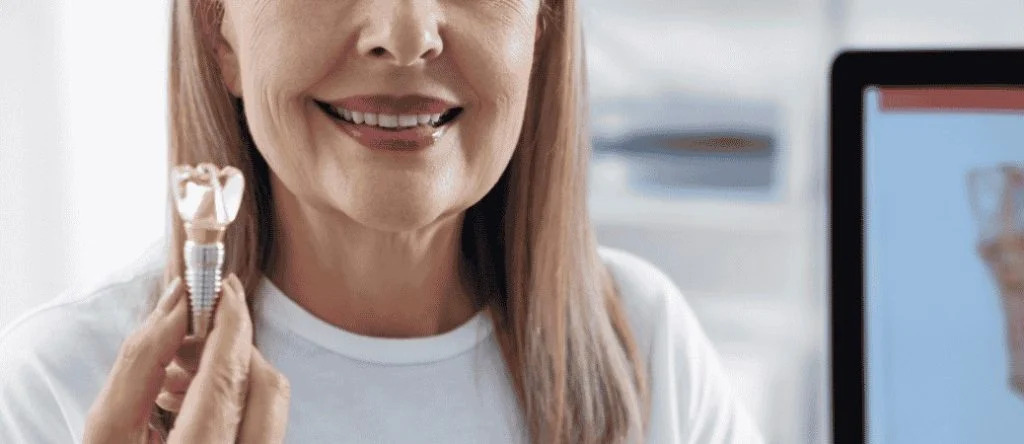
Dental implants are permanent fixtures that get surgically placed into your jaw bone and become part of your mouth. They can replace a single tooth, several teeth, or even a full arch.
Dentures are removable appliances that you take out of your mouth daily.
Full dentures replace all the teeth in your upper or lower jaw, while partial dentures fill in gaps when you still have some natural teeth remaining. Partials use metal clasps to attach to your existing teeth for stability.
Some people also choose implant-supported dentures, which combine both options. These dentures snap onto implants for better stability but can still be removed for cleaning.
How Dentures and Implants Work
Dental implants function as artificial tooth roots that get embedded directly into your jawbone through surgery. The titanium post fuses with your bone over three to six months in a process called osseointegration.
Once healed, your dentist attaches a permanent crown on top that looks and works like a natural tooth.
Dentures are custom-made from acrylic resin and sit directly on your gum tissue. Upper dentures typically stay in place through suction against the roof of your mouth.
Lower dentures are harder to stabilize and often require adhesive paste to prevent slipping during eating or talking.
You brush and floss implants just like your natural teeth. Dentures require more maintenance since you must remove them every night, soak them in a cleaning solution, and brush them carefully to prevent damage.
Impact on Jawbone and Oral Health
The difference between dentures and implants becomes most significant when you look at what happens to your jaw bone over time.
Implants stimulate your jawbone the same way natural tooth roots do, which keeps the bone healthy and prevents it from shrinking. This preserves your facial structure and prevents the sunken appearance that often comes with tooth loss.
Dentures provide no stimulation to the bone underneath them. Your jawbone gradually deteriorates when it doesn’t receive regular pressure from chewing forces.
This bone loss changes the shape of your jaw, which means your dentures will need adjustments or replacement every 5 to 10 years as they become loose and ill-fitting.
Residents of Lyndhurst, Ohio, no longer have to travel far for expert tooth replacement advice. Start your journey here, as we take time to understand your unique situation and recommend the best solutions.
When Dentures Are Preferred Over Implants
Dentures become the better option when cost limits your choices, your jawbone health won’t support implants, or you need a faster solution without surgery.
Your personal health situation and lifestyle needs play a major role in determining which tooth replacement works best for you.

Suitability for Multiple or Complete Tooth Loss
If you’re missing all your teeth or most of them, full dentures offer a more affordable solution than replacing each tooth with individual implants.
Complete dentures can replace an entire arch of teeth for $800 to $1,500, while a full mouth of implants starts at $40,000.
Partial dentures work well when you still have some healthy natural teeth remaining. These removable dentures use small metal clips that attach to your existing teeth for support.
They fill in the gaps without requiring you to extract healthy teeth.
You can get fitted for complete dentures after tooth extraction and start wearing them relatively quickly. This makes them practical when you need to replace many teeth at once without undergoing multiple surgical procedures.
Medical and Bone Health Considerations
Your jawbone health determines whether you can get implants in the first place. If you have significant bone loss or low bone density, implants may not be possible without additional procedures.
A bone graft can rebuild your jaw bone, but this adds months to your treatment timeline and thousands of dollars to your cost.
Some medical conditions make oral surgery too risky. If you have uncontrolled diabetes, take certain medications, or have had radiation therapy to your head or neck, your dentist might recommend dentures instead.
These health issues can prevent proper healing after implant placement.
Your age and overall health matter too. Older adults or those with compromised immune systems may not be good candidates for the surgical procedures implants require.
Non-Surgical and Faster Solutions
Dentures require no surgery, which means no recovery time or post-surgical pain. You can get fitted for removable dentures in just a few appointments over several weeks.
The process involves taking impressions of your mouth and making adjustments for proper fit.
Getting implants takes six months to a year because the metal posts must fuse with your jawbone. If you need a bone graft first, the process takes even longer.
Dentures let you restore your smile and eating ability much faster.
You avoid the risks that come with any surgical procedure. There’s no chance of infection at surgical sites, nerve damage, or complications from anesthesia.
Lifestyle and Personal Preference Factors
Some people simply prefer a non-permanent solution they can remove for cleaning. You take your dentures out at night and soak them, which some find easier than maintaining implants.
This gives you complete control over your dental care routine.
Your budget often determines your choice. If you can’t afford implants or don’t have dental insurance that covers them, dentures provide an effective alternative that still improves your appearance and function.
Fear of dental procedures matters too. If oral surgery causes you significant anxiety, dentures offer a way to replace missing teeth without facing those fears.
You can restore your ability to eat and speak normally without undergoing invasive treatment.
Cost Considerations: Dentures vs Implants
Dentures typically cost $1,000 to $1,500 per arch upfront, while dental implants range from $3,000 to $5,000 per tooth.
However, the long-term financial picture looks different when you factor in replacement costs and ongoing maintenance over many years.

Initial Cost and Affordability
Conventional dentures are much more affordable at first. A complete set costs between $1,000 and $1,500 per arch. Partial dentures run even less at $500 to $800.
The cost of implants is significantly higher. A single dental implant ranges from $3,000 to $5,000. This price includes the implant post, abutment, and crown.
Full-mouth restoration with implants can exceed $60,000. Implant-supported dentures offer a middle option, costing less than individual implants while providing better stability than conventional dentures.
Many people choose dentures based solely on the upfront price. But this doesn’t tell the whole story about what you’ll actually spend over time.
Long-Term Value and Maintenance Expenses
Your costs don’t stop after the initial purchase. Dentures require ongoing expenses that add up quickly:
- Relining every 3-5 years at $200-$500 per procedure
- Complete replacement every 5-7 years
- Adhesives costing $100-$150 yearly
- Special cleaning products adding $50-$100 annually
Dental implants need only regular dental checkups costing $100-$200 per year. They work just like natural teeth for cleaning purposes.
Over 10 years, dentures might actually cost more than implants. You could need two full replacements during that time. Implants can last 20+ years or even a lifetime with proper care.
This means you avoid the repeated replacement costs that come with dentures or dental bridges.
Dental Insurance and Financing Options
Insurance plans treat these options differently. Most standard dental insurance helps cover the cost of dentures since they’re considered basic care. They view implants as cosmetic or specialized procedures with limited coverage.
You have several ways to pay for either option:
- Medical credit cards like CareCredit
- Dental loans with APRs from 3.99% to 30.99%
- Health savings accounts (HSA) or flexible spending accounts (FSA)
Some dental offices offer in-house payment plans. These let you spread costs over several months without interest. If you’re pricing dentures in Cleveland, ask your dentist about all available options before making your choice.
If you’re in Lyndhurst, Ohio, and unsure whether dentures or implants are right for you, our experienced team can help you weigh the options based on your budget, bone health, and personal goals. Contact us today to schedule a consultation.
Types of Dentures and Alternatives
Dentures come in several forms to match different needs and budgets. Some options remove easily for deep cleaning, while others stay fixed in your mouth with the help of dental implants.
Traditional Removable Dentures
Traditional dentures are the most common and affordable option for replacing missing teeth. These removable appliances consist of acrylic teeth attached to a gum-colored base that sits directly on your gums.
Complete dentures replace all your teeth on the upper or lower jaw. They stay in place through natural suction or with adhesive paste. You’ll need to remove them each night for cleaning and soaking.
Partial dentures fill in gaps when you still have some natural teeth remaining. These attach to your existing teeth with metal or plastic clasps. A partial denture prevents your remaining teeth from shifting out of position.
Traditional removable dentures typically cost between $300 and $1,500 per arch. They require adjustments over time as your mouth shape changes. Most people need replacements every 5 to 15 years.
Flexible and Partial Dentures
Flexible dentures offer a more comfortable alternative to rigid acrylic bases. These softer appliances bend slightly to fit your mouth’s natural contours.
The main benefits include better comfort and no need for adhesive paste. Flexible dentures are stain-resistant and odor-resistant, making them easier to maintain. They blend naturally with your gum tissue for a more realistic appearance.
These dentures cost between $960 and $1,400. However, they require strict oral hygiene to prevent bacteria buildup. Flexible dentures work best as partial dentures rather than full replacements.
You may experience some adjustment period with speaking and eating. Most people adapt to their new dentures within the first month.
Implant-Supported and Snap-On Dentures
Implant-supported dentures combine the stability of dental implants with the convenience of removable dentures. These are also called overdentures or snap-on dentures.
Metal posts surgically placed in your jawbone serve as anchors. The denture snaps onto these posts with special attachments. This design provides much better stability than traditional dentures.
You can remove snap-on dentures for cleaning, but they won’t slip during eating or speaking.
They help prevent bone loss in your jaw because the implants stimulate the bone tissue. This option typically requires 2 to 4 implants per arch.
The cost runs higher than traditional options but less than full dental implants. You’ll need healthy jawbone to support the implant posts. Recovery time includes several months for the bone to fuse with the implants before attaching the final denture.
Lifestyle Impact, Comfort, and Oral Hygiene
Daily activities like eating and speaking change based on your tooth replacement choice. Dentures require different care routines than implants and affect comfort levels in unique ways.
Chewing Efficiency and Speech
Dentures distribute chewing forces across your gums rather than into your jawbone.
This means you might experience less efficient chewing compared to natural teeth or implants with an implant post. Some foods become harder to eat, especially tough meats or sticky items.
Your false teeth may shift slightly while eating, which can affect your confidence during meals. Many denture wearers use denture adhesive to improve stability and prevent movement.
Speech can also require adjustment at first since dentures change how your tongue and lips form sounds.
Implants offer better chewing efficiency and speech clarity because they stay fixed in place.
However, during the osseointegration period when your implant post fuses with bone, you’ll likely wear a temporary crown and need to follow eating restrictions.
Maintenance and Cleaning Routine
Your oral hygiene routine changes significantly with dentures.
You must remove them daily for thorough cleaning with special denture cleaners. Brush your gums, tongue, and palate each morning before inserting your dentures to stimulate circulation and remove plaque.
Soak your dentures overnight in cleaning solution to keep them moist and bacteria-free.
You’ll also need to clean them after meals to prevent food particles from causing irritation. If you use denture adhesive, remove all residue from both your dentures and gums each day.
Implants require the same oral hygiene as natural teeth. Brush twice daily and floss around the implant post to prevent infection. Regular dental visits remain important for both options.
Comfort, Fit, and Adjustment
Initial denture fitting takes time as your mouth adjusts to the appliance.
You might experience sore spots where the denture rubs against your gums. Your dentist can make adjustments to improve fit and reduce discomfort.
Over time, your jawbone naturally changes shape, which affects how your dentures fit. You’ll need periodic reline procedures to maintain proper fit and comfort.
Wearing dentures impacts daily life through these ongoing adjustments.
Implants feel more like natural teeth once osseointegration completes. You won’t need adhesives or worry about your teeth slipping. The stability often leads to higher comfort levels for most patients.
Take the first step today. Complete our new patient registration and join our family of smiling patients in Lyndhurst.
Potential Limitations and Risks of Dentures
While dentures offer an affordable way to replace missing teeth, they come with challenges that can affect your daily comfort and long-term oral health.
Changes in how they fit over time and potential irritation are common issues you should understand before making your decision.
Fit Changes and Bone Resorption
Your jawbone naturally changes shape after tooth loss, and this process speeds up without tooth roots to stimulate the bone.
When you wear traditional dentures, they sit on top of your gums but don’t replace the roots that keep your jawbone strong.
Over time, your jaw shrinks through a process called bone resorption. This causes your dentures to become loose and shift when you eat or talk. You might notice clicking sounds or feel your dentures slip out of place.
As your jawbone deteriorates, you’ll need to visit your dentist for adjustments or new dentures every few years. Denture adhesive can help temporarily, but it’s not a permanent fix.
This ongoing bone loss can also make your face look sunken over time, changing your appearance as the structure beneath your skin weakens.
Mouth Irritation and Sore Spots
Dentures can rub against your gums and cause painful sore spots, especially when they don’t fit properly.
Food particles can get trapped between your dentures and gums, leading to irritation or even decay if you don’t clean them thoroughly.
The acrylic plate that sits on the roof of your mouth or over your gums can feel bulky and unnatural. Some people struggle with a gag reflex from upper dentures.
You might also experience difficulty speaking clearly at first, though most people adapt over time.
These comfort issues often get worse as your dentures age and lose their shape. Regular dental visits help catch problems early, but some irritation is normal even with well-fitting dentures.
Dentures as a Temporary or Transitional Solution
Dentures work well as a short-term option while you save money for implants or wait for your mouth to heal after tooth extraction.
Many people use dentures for several years before switching to implant dentistry when their financial situation improves.
If you’re considering the implant procedure later, dentures can maintain your smile and chewing function in the meantime.
However, keep in mind that bone resorption during this time might require a bone graft before implant posts can be placed. This adds cost and time to your eventual implant treatment.
Some dentists recommend immediate dentures right after tooth removal, then transition to implant-supported options once healing is complete.
This approach gives you teeth throughout the entire process rather than going without during recovery.
Ready to transform your smile? Read reviews from patients just like you who found their perfect solution at Premier Dental Associates.
Frequently Asked Questions
Dentures often work better for people who need a faster, non-surgical option or who have limited bone density. Cost and recovery time also play a big role in why some patients choose dentures first.
What are the benefits of choosing dentures over dental implants?
Dentures cost less upfront than implants. This makes them easier to afford if you need to replace multiple teeth at once.
You can get dentures in just a few weeks. Implants take several months because they need time to heal and fuse with your jawbone.
Dentures don’t require surgery. If you have health conditions that make surgery risky, dentures give you a way to restore your smile without going under the knife.
They also work well if you don’t have enough bone density for implants. While implants need adequate bone density to stay secure, dentures rest on your gums and don’t require the same bone structure.
How does the cost comparison between dentures and implants influence the decision for dental restoration?
Dentures typically cost between $1,000 and $3,000 per arch. Full implants can run anywhere from $20,000 to $45,000 for a complete set.
The price difference matters most if you’re on a tight budget or don’t have dental insurance that covers major procedures. Many people choose dentures because they can’t afford the higher upfront cost of implants.
However, dentures need to be replaced every 5 to 10 years. Implants can last 20 years or longer with proper care, which means fewer replacement costs over time.
At what age are dentures more appropriate than implants for patients?
Age alone doesn’t determine whether dentures or implants are better for you. Your overall health and bone density matter more than the number on your birthday.
Older adults sometimes prefer dentures because they avoid surgery and the longer healing process.
If you have conditions like uncontrolled diabetes or heart disease, your doctor might recommend dentures as a safer option.
Younger patients usually choose implants because they want a permanent solution.
But if you’re younger and don’t have enough jawbone or can’t afford implants right now, dentures can still work well.
What are the pros and cons of dentures compared to implants?
Dentures are affordable, fast to get, and don’t require surgery. They can restore your ability to eat and smile within a few weeks.
But dentures can slip when you eat or talk. Many people need adhesives to keep them in place, which adds an extra step to your daily routine.
Dentures can contribute to bone loss over time because they don’t stimulate your jawbone like natural teeth do. This can change the shape of your face and make your dentures fit less securely as years go by.
Implants feel more like natural teeth and stay locked in place. They help preserve your jawbone and don’t require adhesives or nightly removal.
The downside is that implants cost more and take longer to complete. You also need surgery, which isn’t right for everyone.
Can you explain the difference between snap-in dentures and traditional implants?
Snap-in dentures combine features from both dentures and implants. They use a few implants placed in your jawbone to hold a removable denture securely in place.
Traditional implants replace each tooth individually with a post and crown. They’re fixed permanently and don’t come out.
Snap-in dentures give you more stability than regular dentures but cost less than full implants. You can remove them for cleaning, which some people prefer.
Traditional implants offer the most natural feel and the strongest bite force. But they require more implants and a higher investment.
Why might a dentist suggest dentures instead of implants for a patient?
Your dentist might recommend dentures if you don’t have enough healthy jawbone to support implants. Bone grafting can fix this problem, but it adds time and cost to your treatment.
If you have certain medical conditions, surgery might be too risky. Patients with uncontrolled diabetes or specific health issues may not be good candidates for implant procedures.
Budget often plays a role too. If you can’t afford implants right now, dentures let you restore your smile without waiting or going into debt.
Some patients simply want to avoid surgery. Dentures give you a working solution without the need for any surgical procedures or long healing periods.