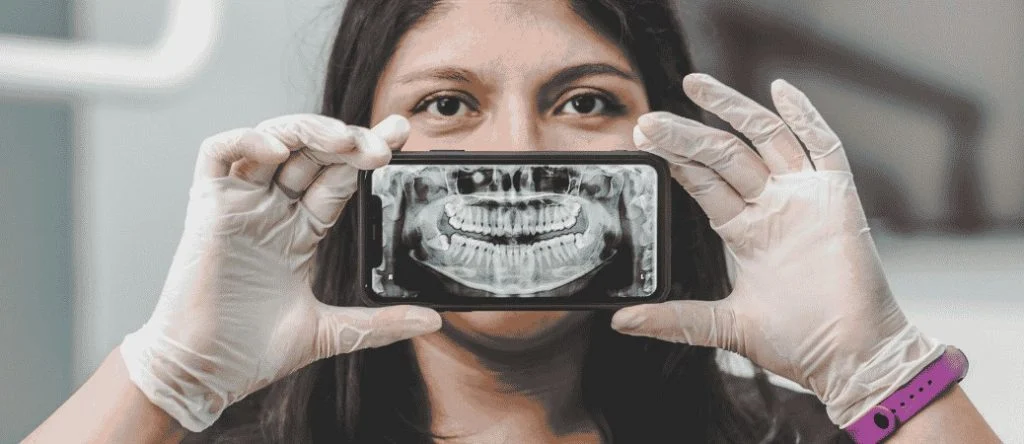


Food getting stuck under a dental bridge can happen because of the space beneath the replacement tooth, changes in your gums, an open contact, or an uneven bridge edge.
While occasional food trapping may be manageable with proper cleaning, repeated buildup in the same area can signal a problem that needs professional evaluation.
Even when your bridge feels comfortable, a new cleaning problem deserves attention. Food trapping alone does not prove that you have bone loss or that your bridge is failing.
If you arrange a visit with Premier Dental Associates, explain where food collects and whether the problem has changed. Those details help your dentist assess the bridge and the teeth supporting it.
Food keeps getting trapped beneath your dental bridge? Contact Premier Dental Associates in Lyndhurst, Ohio to schedule an evaluation of its fit and supporting teeth.
What Makes Food Collect Beneath a Bridge?
Food collects beneath your bridge when its shape or the surrounding tissue creates a space that holds debris during chewing.
If trapping becomes persistent, restorative dental care can help address problems with the bridge or its supporting teeth. You also need access beneath the replacement tooth so you can clean it each day.

How Pontic Shape and Cleaning Spaces Affect Food Trapping
Your pontic is the artificial tooth that fills the space left by missing teeth. Depending on its design, it rests lightly against your gum or sits above it. Unlike a natural tooth, it has no root surrounded by a close-fitting gum attachment.
The underside needs a shape that allows cleaning. A broad or hard-to-reach surface makes plaque removal difficult, while a larger open space allows food to pass underneath during meals.
With tooth-supported crowns and bridges, your abutment teeth hold the restoration in place. You need to clean around these supporting teeth as well as beneath the pontic.
How Gum Recession and Bone Changes Create Larger Gaps
Your gum contours change over time. Gum recession exposes more of a supporting tooth, while bone resorption after tooth loss changes the ridge beneath the pontic. Either change can leave a larger space around your bridge.
You might notice that food collects more easily even though the bridge itself has stayed in place. The visible gap alone does not establish the cause; your dentist needs to compare the tissue, supporting teeth, and restoration.
Mention when you first noticed the change. Older dental X-rays or records help your dentist assess whether the area has changed since your bridge was fitted.
When Open Contacts, Bridge Margins, or Bite Problems Contribute
If food wedges beside your bridge, the contact with a neighboring tooth deserves a check. An open contact is a gap between neighboring teeth or restorations where food gets pressed into the gum during chewing.
Your bridge margin is the edge where a supporting crown meets your natural tooth. A rough edge, overhang, or gap at that junction creates another place for debris to collect.
An uneven bite can also direct chewing forces into a food trap or strain a supporting tooth. Tell your dentist if your teeth meet differently, your bridge feels high, or chewing pushes food into one specific space.
When Is Food Trapping a Warning Sign?
Food trapping deserves closer attention when it becomes frequent, gets worse, or comes with symptoms around your bridge. You should also arrange an assessment if careful cleaning leaves the area uncomfortable.
Occasional Debris vs. Food Trapping After Every Meal
You might find a strand of meat or a piece of leafy vegetable beneath an otherwise comfortable bridge. If gentle cleaning removes it and your gums stay healthy, you can discuss the pattern at your next scheduled visit.
Food packing into the same place after every meal calls for an earlier appointment. That pattern suggests a cleaning-access or structural issue that home care alone might not resolve.
Keep track of whether food collects under the pontic or between your bridge and another tooth. You do not need to identify the defect yourself; describing the location helps your dentist narrow the examination.
Persistent Odor, Bleeding, Pain, or a Loose Bridge
Persistent bad breath or an unpleasant taste around your bridge deserves attention, especially when daily cleaning does not clear it. Retained debris and plaque are possible causes, but odor alone cannot identify the problem.
You should also report repeated bleeding, gum irritation, swelling, or pain when biting. These symptoms need an examination even if your bridge looks unchanged.
If your bridge moves or clicks, avoid testing it with your tongue or fingers. Arrange a prompt dental visit and keep chewing pressure off that area until it is assessed.
How Plaque Can Harm the Supporting Teeth and Gums
Your bridge material does not develop cavities, but the natural teeth beneath its supporting crowns remain vulnerable to decay. Plaque at the crown edges also irritates nearby gum tissue.
If you leave plaque in place, it can harden into tartar that requires professional removal. Gum inflammation, called gingivitis, causes redness and bleeding; deeper periodontal disease damages the tissues supporting your teeth.
Persistent bleeding or gum recession are among the signs you need periodontal treatment. Your dentist will assess whether you have localized irritation or more advanced gum disease.
How Can You Safely Clean Under Your Bridge?
Clean beneath your bridge with a tool that reaches the underside without forcing or scraping your gums. Your daily oral hygiene needs to address both loose food and the sticky plaque attached to surfaces.

Using a Floss Threader or Superfloss Beneath the Pontic
A floss threader carries regular floss beneath your bridge. Superfloss combines a stiffened end with a thicker cleaning section, which helps you reach the underside of the pontic.
Use a gentle sequence:
- Guide the threader or stiffened floss end through the available space beneath the pontic.
- Pull enough floss through to hold comfortably at both ends.
- Sweep along the underside with light pressure.
- Curve the floss around each supporting tooth and clean along its side.
- Release one end and pull the floss out sideways.
Your usual method of flossing your teeth needs this extra threading step because the bridge units are joined. Ask for a demonstration if you cannot find a comfortable route.
Choosing an Interdental Brush That Fits Without Force
An interdental brush should slide into the available space with light resistance. Choose the size with your dental hygienist so the bristles contact the surfaces without the wire scraping your gum.
Guide it through gently and withdraw it along the same path. Avoid bending the brush sharply or using it to pry out a tightly wedged piece of food.
Interdental brushes come in different sizes, and different spaces around your bridge might need different sizes. If none fits comfortably, use the cleaning method your dental team recommends for that area.
Using a Water Flosser to Flush Out Debris
A water flosser helps flush loose food from beneath your pontic and around the supporting crowns. Start at a low, comfortable pressure and follow the device instructions.
Aim along the gumline and into the accessible space beneath the bridge. Avoid pushing the tip into your gum or raising the pressure to overcome a blocked area.
Water flossers are useful when handling floss threaders is difficult. Your hygienist should check whether irrigation cleans your particular bridge adequately or whether you also need floss or an interdental brush for direct plaque removal.
Daily Habits That Help and Cleaning Shortcuts to Avoid
Clean beneath your bridge at least once daily, and brush twice daily with fluoride toothpaste. When you brush your teeth, angle the bristles gently toward the gumline around the supporting crowns.
Rinse with water after meals to loosen debris. Your diet affects your dental health, and noticing which foods lodge around your bridge helps you plan a quick cleanup.
Avoid pins, metal tools, and forceful picking. Mouthwash does not remove attached plaque, and repeated digging at a “stuck” sensation risks injuring the tissue.
Stop forcing access if floss keeps shredding or every tool causes pain.
When Should a Dentist Check the Bridge?
Arrange a professional dental assessment when trapping persists, increases, or becomes difficult to manage with gentle cleaning. You should also book a dental check-up if the problem is new after years of comfortable use.
What a Dental Exam Can Reveal About Fit and Gum Health
During your dental exam, your dentist checks the pontic shape, neighboring contacts, crown margins, and bite. The examination also includes the stability of your bridge and the condition of your abutment teeth.
Your gum health needs a separate assessment. Bleeding, pocket measurements, and tissue changes help your dentist evaluate inflammation; dental X-rays provide additional information when clinically needed.
At Premier Dental Associates, Dr. Rita Kutsikovich can evaluate the fit of your dental bridge, the condition of its supporting teeth, and changes in the surrounding gum tissue.
Bringing your cleaning tools to the appointment can also help the dental team identify areas that are difficult to reach.
When Cleaning Guidance, Adjustment, or Replacement May Help
If your bridge fits well, personalized cleaning guidance and professional plaque removal might be enough. A professional dental cleaning removes hardened deposits that home tools leave behind.
For a small rough area or suitable contour problem, your dentist might recommend polishing or a limited adjustment. Changes to a bridge require care because removing material affects its shape and strength.
A loose bridge sometimes needs recementing after its fit and supporting teeth are assessed.
Significant decay, damage, or an uncorrectable fit problem requires a broader treatment discussion, including possible replacement. Your dentist should explain the findings before recommending a procedure.
Which Symptoms Need Prompt or Urgent Care
Call your dentist promptly for bridge movement, persistent pain, repeated bleeding, or swelling. Pus, fever, facial swelling, or rapidly worsening pain calls for urgent dental care.
If you have difficulty breathing or swallowing, or swelling spreading toward your neck or eye, seek emergency care immediately. In the US, call 911 for breathing trouble or another life-threatening emergency.
For ongoing care, how often you visit the dentist should reflect your gum health and decay risk. A new symptom deserves a call between scheduled visits.
Keep the Bridge Clean and Get Persistent Trapping Checked

You can manage occasional debris with gentle, bridge-specific oral hygiene, while persistent or worsening trapping needs a dental assessment.
Clean under your dental bridge each day and protect the gumline around its supporting teeth.
If the same spot keeps collecting food, tell your dentist exactly where it happens and what you have tried. Seek an earlier appointment if you also notice bleeding, odor, pain, or movement.
Frequently Asked Questions
You can use the answers below to clarify common concerns about cleaning and changes around your bridge. Your dentist will need to examine any persistent problem to identify its cause.
Can food get stuck under a dental bridge that fits properly?
Yes, you can get occasional food beneath a properly fitted dental bridge because the pontic has a cleanable underside near your gum.
If debris clears gently and the area stays comfortable, keep up your daily routine and mention it at your next visit.
Why does food keep getting trapped in the same spot around my bridge?
Repeated trapping in one spot points to a local feature, such as the pontic contour, a changed gumline, or an open contact. Tell your dentist whether the food sits under the replacement tooth or beside a supporting crown.
What if my bridge feels like food is stuck but nothing comes out?
You might be feeling inflamed tissue, a rough surface, or pressure around the bridge. Stop repeated picking and arrange an examination if the sensation persists, especially if gentle cleaning produces no relief.
Does food trapping mean my dental bridge is failing?
Food trapping alone does not establish that your dental bridge is failing. Your dentist needs to check its stability, fit, and supporting tissues before deciding whether you need cleaning guidance, a repair, or replacement.
Can I use regular floss under a dental bridge?
Yes, you can use regular floss beneath your bridge with a floss threader to guide it into place. Sweep gently under the pontic and around the supporting teeth, then pull the floss out sideways through the cleaning space.