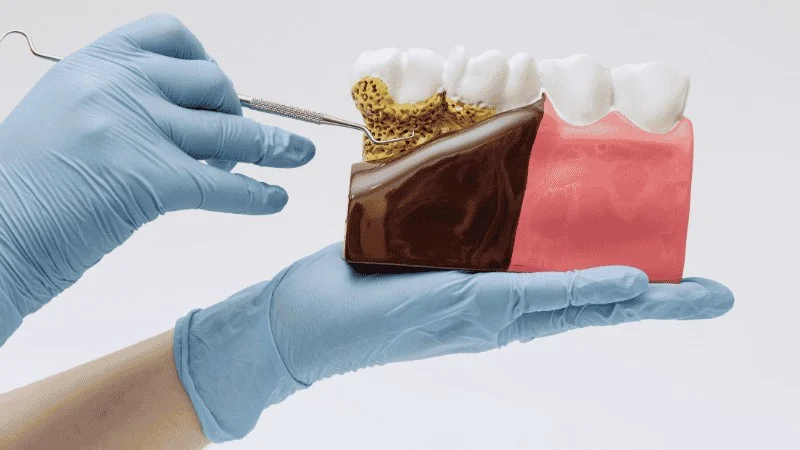
You may think bleeding gums are the only sign of trouble. Gum disease often shows other warning signs that are easy to miss. Your mouth can signal a problem long before pain starts.
You may need periodontal treatment if you notice bad breath that will not go away, loose teeth, gum recession, pain when chewing, or changes in how your teeth fit together.
These signs can point to periodontal disease, which affects the tissues and bone that support your teeth.
When you spot these changes early, you protect your oral health and lower your risk of tooth loss. Understanding the signs you need periodontal treatment helps you take action before gum disease gets worse.
Key Takeaways
- Watch for ongoing bad breath, loose teeth, gum recession, and chewing pain.
- Periodontal disease can damage gums and bone if you delay care.
- Early evaluation and treatment help protect your teeth and oral health.
Table of Content
- Recognizing Common Symptoms of Gum Disease
- Advanced Warning Signs Not to Ignore
- Underlying Causes and Risk Factors
- Professional Diagnosis and Periodontal Evaluation
- Treatment and Maintenance Options for Gum Disease
- Frequently Asked Questions
Recognizing Common Symptoms of Gum Disease
Gum disease often starts with small changes that you might ignore. Paying attention to bleeding, odor, and changes in your gum line can help you catch problems before they lead to tooth loss.

Bleeding and Swollen Gums Explained
If you see bleeding gums when you brush or floss, your gums are not just “sensitive.” Bleeding is one of the most common early signs of gum disease. It often points to gingivitis, the mild form of gum disease.
Plaque buildup along the gum line causes gum inflammation. Your gums may look red instead of pink. They can feel tender and appear swollen or puffy.
You might also notice:
- Bleeding during brushing or flossing
- Blood when you eat hard foods
- Gums that feel sore to the touch
Bleeding and swollen gums are key warning signs. If you ignore them, plaque and tartar can spread below the gum line and lead to more serious damage.
Red Flags of Persistent Bad Breath
Everyone has bad breath at times. But persistent bad breath, also called halitosis, can signal gum infection.
Bacteria from plaque and tartar release toxins. These toxins irritate your gums and create a strong odor. If brushing, flossing, and mouthwash do not fix the smell, the problem may sit deeper under the gums.
You may notice:
- A constant bad taste in your mouth
- Odor that returns quickly after brushing
- A smell others notice before you do
When infection spreads below the surface, simple cleaning at home will not remove it. That is when you may need professional periodontal treatment.
Identifying Gum Recession and Sensitive Teeth
If your teeth look longer than they used to, you may have receding gums. This is a clear sign of gum disease.
Gum recession happens when inflammation and infection damage the tissue that holds your gums in place. As the gums pull back, they expose the tooth roots. Roots do not have the same protective enamel as the crown of your tooth.
You may feel:
- Tooth sensitivity to cold drinks or sweets
- Sharp pain when brushing near the gum line
- Spaces forming between teeth
Advanced gum disease can destroy the bone that supports your teeth. Receding gums and sensitive teeth often mean the disease has moved beyond simple gingivitis and needs prompt care.
Advanced Warning Signs Not to Ignore
When gum disease moves past early swelling and bleeding, the damage can affect the bone and tissues that hold your teeth in place. These changes often point to deeper infection and may need prompt periodontal treatment.
Loose or Shifting Teeth
If you notice loose teeth or teeth that seem to move when you chew, take it seriously. Teeth should feel stable and firm. Movement often signals bone loss around the roots.
As gum disease progresses, bacteria collect under the gum line. The infection can damage the bone that supports your teeth. Over time, this loss of support leads to tooth mobility.
You may also see shifting teeth. Gaps can form where teeth once touched. Food may get stuck in new spaces, which makes cleaning harder and raises your risk for more infection.
When you feel movement, you should not wait to seek care.
Development of Gum Pockets and Pus
Healthy gums fit snug around each tooth. When infection spreads below the gum line, the tissue can pull away and form gum pockets.
These pockets trap plaque and bacteria. The deeper they become, the harder they are to clean with brushing and flossing alone.
You might notice pus between teeth and gums. Pus often signals a periodontal abscess, which is a painful infection inside a pocket. Signs can include swelling, tenderness, and a bad taste in your mouth.
Untreated infection can destroy the bone that supports your teeth. Pockets and pus show that the disease has moved beyond mild gum irritation and needs professional treatment.
Tooth Mobility and Changes in Bite
As bone loss increases, tooth mobility can become more noticeable. You may feel your teeth shift when you bite into firm food.
You might also notice changes in how your teeth fit together. Your bite may feel uneven. Certain teeth may hit first when you close your mouth.
Some people find that partial dentures no longer fit the same way. This shift often links to underlying bone changes caused by advanced periodontal disease.
These are not small cosmetic issues. They are structural changes in your mouth. When your bite changes or your teeth move out of place, you should schedule a periodontal evaluation to protect the teeth you still have.
Underlying Causes and Risk Factors
Gum disease starts with bacteria, but daily habits and certain health conditions can make it worse. When you understand what drives the problem, you can take clear steps toward preventing gum disease and protecting your teeth.

Role of Plaque, Tartar, and Oral Bacteria
Your mouth always contains oral bacteria. These bacteria form a sticky film called plaque on your teeth every day.
If you do not remove plaque with regular brushing and flossing, it hardens into tartar buildup. Tartar sticks tightly to teeth and along the gumline. You cannot remove it at home.
As plaque buildup and tartar buildup grow, bacteria release toxins that irritate your gums. This irritation causes swelling, redness, and bleeding.
Over time, bacteria can move below the gumline. They form pockets between your teeth and gums. These pockets trap more bacteria and make infection worse.
Untreated inflammation can damage the bone that supports your teeth. Once bone loss begins, you need professional periodontal treatment to control the disease.
Impacts of Poor Oral Hygiene and Lifestyle
Your daily habits strongly affect your gum health. When you skip brushing and flossing, plaque builds up quickly.
Poor oral hygiene allows bacteria to stay on your teeth and gums for long periods. This raises your risk of infection and deep gum pockets.
Certain lifestyle choices also increase your risk factors. For example:
- Smoking
- High stress levels
- Poor nutrition
- Obesity
Smoking is one of the strongest risk factors. Smoking increases your risk of gum disease and makes treatment less effective.
If you smoke, your gums may not bleed much. This can hide warning signs while damage continues underneath.
When you brush and floss every day and get regular deep cleanings to remove plaque before it turns into tartar. That simple routine plays a key role in preventing gum disease.
Medical Conditions That Affect Gum Health
Some health problems make it harder for your body to fight infection. This increases your risk of severe gum disease.
Diabetes is one of the most important examples. High blood sugar can weaken your immune response and slow healing. Gum infections can also make blood sugar harder to control.
Hormonal changes during pregnancy or menopause can make your gums more sensitive. You may notice more swelling or bleeding during these times.
Certain medications cause dry mouth. When you produce less saliva, bacteria grow more easily. This raises your risk of plaque buildup and infection.
There is a strong link between diabetes and periodontal disease. If you have a chronic condition, you should tell your dentist. Close monitoring helps catch problems early and limits long-term damage.
Professional Diagnosis and Periodontal Evaluation
A dental exam can confirm if your symptoms point to gum disease or something more serious. A clear diagnosis helps you act early and protect your teeth and bone.



When to Seek a Periodontist
You should see a periodontist if your dentist finds deep gum pockets, bone loss on X-rays, or loose teeth. These are strong signs you need periodontal therapy, not just routine cleanings.
Other warning signs include:
- Gums that pull away from your teeth
- Persistent bad breath
- Pain when chewing
- Teeth that shift or feel unstable
If you notice these symptoms of gum disease, do not wait. A periodontist has advanced training in diagnosing and treating gum infections. General dentistry often manage early cases, but specialists handle more complex periodontal care.
Early referral can help you avoid surgery or tooth loss later.
What to Expect During an Evaluation
A periodontal evaluation goes beyond a basic dental check-up. The goal is to measure the health of your gums, bone, and supporting tissues.
During the exam, your provider may:
- Measure pocket depth around each tooth
- Check for bleeding and gum recession
- Review X-rays for bone loss
- Examine your bite and plaque levels
You may feel light pressure during pocket measurements, but the process is quick. These numbers help your provider decide if you need professional cleanings, scaling and root planing, or other periodontal therapy.
Importance of Early Detection
Gum disease often starts without pain. You might only notice mild swelling or slight bleeding. These early signs of gum disease can quickly progress if you ignore them.
Plaque buildup triggers inflammation. Over time, this infection damages the ligament and bone that hold your teeth in place. Once bone loss occurs, it cannot fully grow back on its own.
Regular exams allow your provider to spot small changes before they turn serious. Early treatment may involve deeper cleanings and better home care, instead of surgery.
By acting at the first signs you need periodontal therapy, you protect your teeth, reduce long-term costs, and maintain stable oral health.
Treatment and Maintenance Options for Gum Disease
Dentists treat gum disease with both non‑surgical and surgical methods. Your plan depends on how much bone and tissue damage has occurred and how well you respond to early care.
Deep Cleaning: Scaling and Root Planing

Dentists often start with scaling and root planing, also called deep cleaning. This is a common form of periodontal treatment used when plaque and tartar build up below your gumline.
During scaling, your provider removes hardened tartar from tooth surfaces and under the gums. During root planing, they smooth the tooth roots. Smooth roots make it harder for bacteria to stick and help your gums reattach.
You may need local anesthesia to stay comfortable. Some patients need more than one visit.
Deep cleaning does not replace routine dental cleaning. It treats active infection and inflamed pockets. After treatment, your gums should look less swollen and bleed less when you brush or floss.
Surgical Techniques: Flap Surgery and Grafting
If deep cleaning does not control the infection, your dentist may suggest surgery. One option is flap surgery, also called pocket reduction surgery.
During flap surgery, the dentist lifts your gums to remove deep tartar and infected tissue. Then they place the gums back in a tighter position around your teeth. This reduces pocket depth and makes daily cleaning easier.
You may also need gum grafting or other tissue grafts. A gum graft covers exposed roots and protects sensitive areas.
In more advanced cases, bone grafting helps rebuild lost bone. Bone grafts can support teeth and may prepare your jaw for future dental implants.
Antibiotic Therapy and Mouthwash Solutions
Dentists sometimes add antibiotic therapy to deep cleaning or surgery. Antibiotics help control bacteria inside periodontal pockets.
Your provider may place medication directly under your gums. In some cases, you may take oral antibiotics for a short time. This approach supports treatment for periodontitis when infection remains active.
You might also use an antimicrobial mouthwash. These rinses reduce bacteria and control inflammation. They do not replace brushing or flossing, but they support your daily care routine.
Follow your dentist’s instructions closely. Skipping doses or stopping early can reduce the effect of the medication.
Long-Term Periodontal Maintenance
After active periodontal treatment, you will move into periodontal maintenance. Gum disease can return if bacteria build up again.
Most patients need professional cleanings every three to four months. This schedule helps prevent reinfection, as explained in this article on periodontal maintenance schedules.
These visits are different from standard dental cleaning. Your provider measures pocket depths, checks bone levels, and removes plaque below the gumline.
At home, brush twice a day and floss daily. Use any recommended mouthwash and attend all follow‑up visits. Consistent periodontal care protects your teeth, supports bone health, and lowers your risk of tooth loss.
Frequently Asked Questions
Gum disease does not always start with obvious bleeding. You may notice subtle changes like gum shape, breath odor, or how your teeth fit together before pain ever appears.
What are the early warning signs of gum disease besides bleeding when brushing?
You may see red, swollen, or tender gums even if they do not bleed much. Healthy gums feel firm and fit snug around your teeth.
Watch for gums that pull away from your teeth. This can make your teeth look longer than before. The CDC lists red, swollen gums and gum recession as common signs of gum disease.
You might also notice sores in your mouth or pus between your teeth and gums. These signs mean infection is present and needs attention.
When should gum recession make me see a dentist or periodontist?
You should schedule a visit if your gums continue to pull back or if your teeth look longer over time. Recession can expose the root surface and cause sensitivity.
If the area feels tender or traps food often, do not wait. Gums pulling away from teeth are a key symptom of periodontal disease.
Early care can help prevent more bone loss around the tooth.
Can persistent bad breath or a bad taste be a sign of periodontal problems?
Yes. Ongoing bad breath that does not improve with brushing and flossing may signal bacteria under your gums.
A constant bad taste in your mouth can also point to infection. Bad breath and loose teeth are among the common symptoms of periodontal disease.
If the odor returns quickly after cleaning your teeth, you should get an exam.
How do I know if loose teeth or shifting bite means I need periodontal treatment?
Adult teeth should not feel loose. If a tooth moves when you press it with your tongue, that is not normal.
You may also notice spaces forming between teeth or a change in how your teeth fit when you bite down. Loose teeth and changes in bite are also symptoms of periodontitis.
These changes often mean the bone that supports your teeth has weakened.
Is it possible to reverse gum disease at home, and when is professional care needed?
You can reverse early gingivitis with daily brushing and flossing. Clean along the gumline twice a day and floss at least once a day.
Once gum disease damages bone, you cannot fix it at home. The American Academy of Periodontology explains that plaque hardens into tartar, and only a dental professional can remove it during a cleaning.
If you notice swelling, recession, or loose teeth, you need professional care.
How long can you keep your teeth if you have periodontal disease?
Many people keep their teeth for life with proper treatment and regular follow‑up visits. Your dentist or periodontist will set a schedule based on how advanced your disease is.
You may need cleanings every few months if bone loss is present. With steady care at home and routine exams, you can slow or stop further damage and protect the teeth you have.