Feeling your removable dentures shift or slip while you’re eating is more than just annoying. It can make mealtimes stressful and leave you wondering if something is wrong.
The good news is that loose dentures are a common problem, and you have several options to fix them.
If you feel loose dentures when eating, it usually means your jaw has changed shape over time, and your dentures may need to be adjusted, relined, or replaced.
Your jawbone naturally shrinks after tooth loss, which causes dentures to fit less securely. This process happens to most denture wearers and doesn’t mean you did anything wrong.
Understanding why loose dentures happen and what you can do about it will help you get back to eating comfortably.
Whether you need a simple fix or want to explore longer-lasting solutions, there are ways to restore your denture fit and your confidence.
Key Takeaways
- Dentures become loose because your jawbone shrinks over time after tooth loss
- You can fix loose dentures through relining, adhesives, or upgrading to implant-supported options
- Regular dental checkups help maintain proper denture fit and catch problems early
Table of Content
- Why Do Dentures Become Loose Over Time?
- Recognizing the Signs of Poor Fit
- Options for Fixing Loose Dentures
- Alternatives for Greater Security and Comfort
- Tips to Maintain and Extend Denture Comfort
- Frequently Asked Questions
Why Do Dentures Become Loose Over Time?
Your dentures can become loose for several reasons, with most issues stemming from natural changes in your mouth structure.
The jawbone and gum tissue naturally change after tooth loss, while the dentures themselves experience daily wear that affects their fit.
Jawbone Loss and Bone Resorption
When you lose your natural teeth, your jawbone begins to shrink because it no longer receives stimulation from tooth roots. This process, called bone resorption, is the main reason dentures become loose over time.
Your jawbone continuously breaks down and rebuilds itself. Without tooth roots to trigger new bone cell growth, your body reabsorbs the existing bone tissue.
This makes the ridge where your dentures sit gradually smaller and flatter.
Lower dentures are especially affected by bone loss because the lower jaw typically resorbs faster than the upper jaw. The amount of bone resorption varies from person to person.
Some people experience rapid jawbone loss in the first year after tooth extraction, while others lose bone more slowly over many years.
Gum Tissue Changes and Shrinkage
Your gum tissue also changes shape as the underlying bone resorbs. Gum shrinkage causes the space between your dentures and gums to increase, which leads to poorly fitting dentures that move around.
The pressure from wearing full dentures can speed up these tissue changes. When your dentures press on your gums throughout the day, they can make the shrinking process worse.
This creates a cycle where ill-fitting dentures cause more gum changes, which then makes the fit even looser.
Your upper and lower gums don’t always change at the same rate. This means one denture might feel loose while the other still fits well.
Wear and Tear of the Dentures
Daily use naturally wears down your false teeth over time. The denture base and artificial teeth gradually change shape from chewing, cleaning, and handling.
Using inappropriate cleaning products can damage your dentures. Hot water can warp the acrylic material, while certain cleaners left on too long can weaken the denture structure.
Biting down on hard or chewy foods can crack or chip the denture material.
Even proper care doesn’t prevent normal wear. The constant pressure from eating and speaking slowly breaks down the materials.
Acrylic dentures are particularly vulnerable to this type of damage over several years of use.
Bite Shifts and Health Factors
Your bite pattern can change over time, affecting how your dentures fit together. When bone loss occurs unevenly, your jaw alignment shifts and creates new pressure points on your dentures.
Certain health conditions accelerate the loosening process. Medications that cause dry mouth reduce the natural suction that helps keep dentures in place.
Weight loss or gain affects your facial structure and can change how your dentures fit.
Some people clench or grind their teeth while wearing dentures, which speeds up both denture wear and bone loss. Medical conditions affecting bone density, like osteoporosis, can make bone resorption happen faster.
Recognizing the Signs of Poor Fit
When your dentures don’t fit properly, your mouth will tell you through several clear warning signs.
These consequences affect your daily comfort, ability to eat and speak, and even your facial appearance.
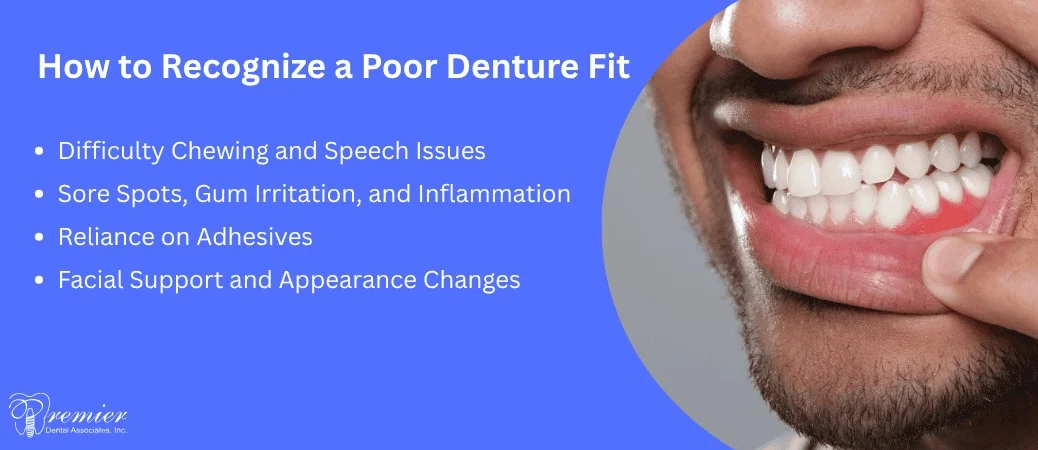
Difficulty Chewing and Speech Issues
Your chewing ability is one of the first things to suffer when dentures lose their proper fit. You might notice that foods you once ate easily now feel difficult to manage.
Your dentures may shift or move around when you bite down on something firm.
Speech problems often develop alongside chewing issues. You might find yourself slurring certain words or struggling to make specific sounds clearly.
Clicking or whistling noises can happen when you talk because your dentures are moving in your mouth.
These problems make everyday activities like eating meals with family or having conversations feel stressful and uncomfortable.
Sore Spots, Gum Irritation, and Inflammation
Poorly fitting dentures create pressure points that rub against your gums throughout the day. These areas develop into painful sore spots that make wearing your dentures uncomfortable or even unbearable.
Gum irritation shows up as redness, swelling, or tenderness in areas where your dentures press too hard.
The constant rubbing can lead to inflammation that gets worse over time. Some people develop small cuts or abrasions on their gum tissue.
If you notice these symptoms, you should see your dentist right away. Continuing to wear dentures that cause gum irritation can lead to more serious oral health problems.
Reliance on Adhesives
Needing more denture adhesive than you used to is a clear sign that your dentures no longer fit properly.
If you find yourself applying adhesive multiple times throughout the day, your denture stability has declined.
While denture adhesives can help temporarily, they shouldn’t be your main solution for keeping dentures in place. Constantly increasing the amount you use means the fit has changed significantly.
Well-fitting dentures should stay in place with minimal or no adhesive at all.
Facial Support and Appearance Changes
Your dentures provide important facial support that maintains your natural appearance. When they fit poorly, you might notice your cheeks look sunken, or your face appears shorter than it used to.
These changes happen because loose dentures don’t properly support your facial muscles.
You may also see wrinkles developing around your mouth or lips that seem to fold inward. Some people notice their chin appears closer to their nose than before.
These appearance changes affect more than just how you look, they impact your confidence and self-esteem in social situations.
Options for Fixing Loose Dentures
Several professional restorative solutions can restore the fit and comfort of your loose dentures.
Your dentist can reline your existing dentures, make minor adjustments, or recommend a full replacement depending on the severity of the problem.
Professional Denture Relining: Soft vs. Hard
A denture reline reshapes the underside of your dentures to match your current gum tissue. This is one of the most common denture solutions for restoring a snug fit.
A soft reline uses a flexible, cushion-like material that stays pliable. This option works well if you have sore or sensitive gums.
The soft material provides extra comfort but typically needs replacement every one to two years because it breaks down faster.
A hard reline uses rigid acrylic that matches your original denture base. This creates a more permanent fix that can last several years. Hard relines cost between $300 and $600 and provide better long-term stability.
Your dentist takes an impression of your gums while you wear your current dentures. The lab then adds new material to rebuild the fitting surface.
Both partials and full dentures can be relined using either method.
Denture Adjustments and Repairs
Minor denture adjustments can fix specific pressure points or small areas where your dentures don’t fit right. Your dentist can grind down high spots or add material to fill gaps.
These adjustments work best for new dentures that need fine-tuning. If you got your dentures recently, you shouldn’t hesitate to ask for multiple adjustments until the fit feels right.
Small cracks or broken clasps on partial dentures can often be repaired at a dental lab. Your dentist sends your dentures out for repair, which usually takes a few days.
Repairs cost less than replacement but only work if the overall structure remains sound.
When Is Denture Replacement Needed?
You need new dentures when relining and repairs can’t restore proper fit. Extensive wear, deep cracks, or severe warping mean your current dentures have reached the end of their useful life.
Bone reabsorption causes your jaw ridge to shrink over time. After several years, your gums change shape so much that even a reline won’t help your dentures fit securely.
Replacement becomes necessary to match your current mouth structure.
Full denture replacement typically lasts five to seven years with proper care. Your dentist will evaluate whether your current dentures can be saved or if starting fresh with new comfortable dentures makes more sense for your situation.
Alternatives for Greater Security and Comfort
If loose dentures are making eating difficult, several upgrade options can provide better stability. Dental implants offer a permanent solution that doesn’t rely on your gums alone for support.
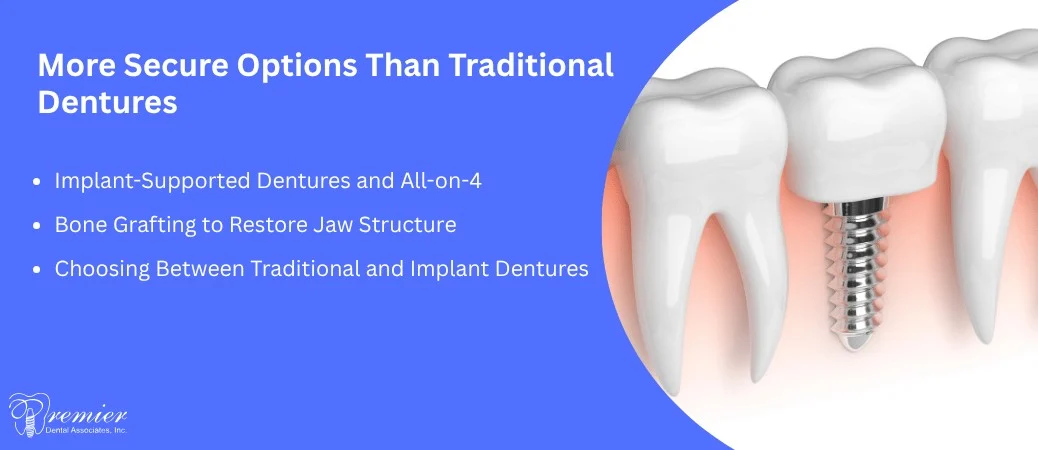
Implant-Supported Dentures and All-on-4
Implant-supported dentures attach to dental implants that are surgically placed in your jawbone. These work like artificial tooth roots that hold your dentures firmly in place.
You won’t need adhesive, and they feel much more like natural teeth when you chew.
The all-on-4 method uses just four implants to support a full arch of teeth. This approach costs less than placing individual implants for every tooth. You can often get your new teeth in a single day.
Implant dentures can be either fixed or removable. Fixed versions stay in your mouth permanently, while overdentures snap onto the implants but can be removed for cleaning.
Both types give you greater stability and function compared to traditional dentures.
Bone Grafting to Restore Jaw Structure
Your jawbone naturally shrinks over time when you’re missing teeth. This process makes it harder for dentures to fit well. Bone grafting adds new bone material to areas where your jaw has gotten smaller.
The procedure strengthens your jaw so it can support dental implants. Your dentist places bone graft material in the weak areas, and your body gradually turns it into real bone. This process usually takes several months.
Not everyone needs bone grafting before getting implants. Your dentist will take x-rays to check if you have enough bone.
If your jaw has lost significant volume, grafting helps create a strong foundation for secure dentures.
Choosing Between Traditional and Implant Dentures
Traditional dentures cost less upfront, usually between $1,000 and $3,000 per arch. Implant-supported options range from $15,000 to $30,000 or more for a full arch.
Traditional dentures sit on your gums and may need replacement every 5-7 years as your mouth changes. Implant dentures can last 20 years or longer with proper care.
Consider implants if you:
- Struggle with loose dentures while eating
- Want to avoid denture adhesive
- Have enough jawbone or can get bone grafting
- Can afford the higher initial cost
Traditional dentures work well if you need an affordable option to replace missing teeth quickly. Your dentist can help you decide which choice fits your health needs and budget.


Tips to Maintain and Extend Denture Comfort
Taking care of your dentures properly can help them fit better and last longer. Regular cleaning, smart use of adhesives, and professional adjustments work together to keep your dentures comfortable throughout the day.
Proper Denture Care and Cleaning
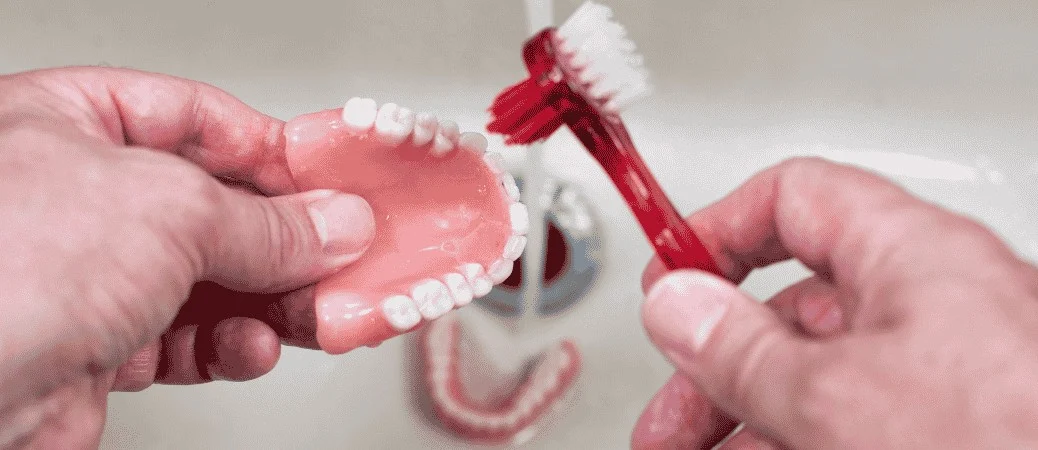
Clean your dentures every day to prevent buildup that can affect their fit and shape. Remove your dentures and rinse them after meals to wash away food particles.
Use a soft-bristled brush with mild dish soap or denture cleaner, not regular toothpaste, which can scratch the surface.
Daily cleaning steps:
- Rinse dentures under running water
- Brush all surfaces gently
- Soak overnight in denture solution
- Rinse before putting them back in
You should remove dentures at night to give your gums time to rest and recover. This break helps prevent sore spots and allows your mouth tissues to breathe.
Store them in water or denture solution to keep them from drying out and warping.
Avoid using hot water when cleaning or soaking your dentures. High temperatures can cause the material to warp and change shape, leading to a poor fit.
Using Adhesives Responsibly
Denture adhesive can help keep loose dentures in place temporarily while you wait for professional adjustments. Apply a small amount in thin strips or dots, not thick layers.
Too much adhesive makes removal harder and doesn’t improve the hold.
Types of denture adhesives available:
- Creams (easy to apply and control)
- Powders (good for minor stability)
- Strips (pre-measured and mess-free)
Remember that adhesives are not a permanent fix for poorly fitting dentures. If you find yourself using more adhesive over time or applying it multiple times daily, your dentures likely need professional adjustment.
Denture adhesives work best when your dentures already fit reasonably well.
Routine Checkups and Relines
Visit your dentist at least once a year for dental checkups. Your mouth changes over time due to bone loss, and these changes affect how your dentures fit.
Denture relining adds new material to the base of your dentures to match your current gum shape.
A reline usually takes less than an hour and costs much less than new dentures. Soft relining uses flexible material that works well for sensitive gums, while hard relining provides a firmer, longer-lasting fit.
Your dentist will examine your mouth and recommend which type suits your needs.
Both full and partial dentures need regular professional maintenance to stay comfortable and functional.
Schedule adjustments as soon as you notice any rubbing, slipping, or sore spots rather than waiting for your annual visit.
Frequently Asked Questions
Loose dentures during meals often result from bone changes in your jaw over time, and several solutions exist depending on the severity of the problem.
Understanding when to seek professional help versus using temporary fixes can help you maintain comfort and oral health.
Why do my dentures feel loose when I’m eating, even though they fit before?
Your jawbone naturally shrinks over time after tooth loss through a process called bone resorption. When you lose your natural teeth, your jaw no longer receives the stimulation it needs to maintain its shape and density.
This causes the bone tissue to break down, and your body reabsorbs it.
As your jaw shrinks, the dentures that once fit perfectly no longer match the contours of your gums and bone.
Food particles can also get trapped under your dentures, creating pressure that makes them feel even looser during meals.
The process happens gradually, so you might not notice the changes until eating becomes uncomfortable.
Chewing motions put extra pressure on dentures, which makes any fit issues more noticeable during meals than at other times.
What are the safest ways to tighten or improve the fit of loose dentures?
Denture adhesives provide a temporary solution to improve fit and stability. You can choose from pastes, creams, powders, or adhesive strips depending on your preference and the shape of your jaw.
Apply adhesive sparingly to clean, dry dentures according to the product instructions. Too much adhesive can actually make your dentures less stable and harder to clean.
Never try to adjust or modify your dentures yourself with tools or DIY methods. This can damage them permanently and make the fit worse. Only your dentist should make physical adjustments to your dentures.
Could changes in my gums or jawbone be causing my dentures to slip?
Yes, bone loss is the main reason dentures become loose over time. Your jawbone continues to change shape throughout your life, especially after losing teeth.
Your gums can also change due to inflammation, weight loss, or certain medications. These changes affect how your dentures rest on the tissues in your mouth.
The bone loss speeds up when you wear traditional dentures because they don’t stimulate your jawbone like natural teeth do.
This creates a cycle where your dentures fit worse over time, making it harder to eat solid foods that would otherwise exercise your jaw.
When should I see a dentist about loose dentures instead of using adhesive?
Schedule a dentist appointment if you need to use more adhesive than usual to keep your dentures in place. Increased adhesive use signals that your dentures no longer fit properly and need professional adjustment.
See your dentist immediately if you develop sore spots, difficulty speaking, or pain while eating. These symptoms indicate that your loose dentures are causing damage to your gum tissue.
You should also visit your dentist if your dentures slip frequently during normal activities like talking or laughing. Adhesive is meant to enhance stability, not compensate for major fit problems.
How do I know if my dentures need a reline, a rebase, or a full replacement?
A reline adds new material to the tissue side of your dentures to match your current jaw shape. You typically need this every one to two years as your jaw changes.
A rebase replaces all the pink acrylic base material while keeping the existing teeth. Your dentist recommends this when the base is worn or damaged but the teeth are still in good condition.
Full replacement becomes necessary when your dentures are cracked, broken, or so worn that relining or rebasing won’t help.
Your dentist will examine your dentures and jaw to determine which option suits your situation best.
What upgrade options are available if I want a more secure, comfortable fit?
Implant-supported dentures offer the most permanent solution for loose dentures. These attach to titanium posts surgically placed in your jawbone, preventing the bone loss that causes traditional dentures to become loose.
All-on-4 or all-on-6 dentures use four or six implants per arch to support a full set of teeth. They stay firmly in place while eating and speaking, and they stimulate your jawbone like natural teeth.
Some implant dentures are fixed permanently in your mouth, while others are removable for easier cleaning.
Your dentist can discuss whether you’re a good candidate for implants based on your bone density, overall health, and budget.