

The connection between gum disease and overall health goes beyond your teeth and gums.
Periodontal disease can damage the tissues supporting your teeth and is associated with inflammation and several systemic conditions.
Its two-way relationship with diabetes is particularly important because poor blood sugar control can worsen gum disease, while periodontitis may make diabetes harder to manage.
If you have bleeding gums or a recent periodontal diagnosis, professional periodontal care can help address inflammation and protect the tissues supporting your teeth.
Gingivitis is generally reversible, while periodontitis requires ongoing treatment and maintenance to control further damage.
Your gum health deserves attention even when your mouth feels comfortable. Pain alone is an unreliable way to judge your oral health, so an exam gives you a clearer picture of what needs treatment.
What Is the Connection Between Your Gums and Your Body?
Your gums connect with the rest of your body through your bloodstream and immune system. The clearest two-way relationship involves diabetes; links with several other conditions remain associations.
How Oral Bacteria and Inflammation May Affect Other Organs
Your oral microbiome is the community of microbes living in your mouth. When that community becomes unbalanced, disease-associated oral bacteria such as Porphyromonas gingivalis help trigger a harmful immune response.
Inflamed gum tissues allow bacteria and their products to enter your bloodstream.
Persistent gum disease may contribute to systemic inflammation, meaning inflammation beyond your mouth, though this does not mean you will develop disease in another organ.
Why Diabetes and Gum Disease Can Worsen Each Other
If you have diabetes, high blood sugar makes it harder for your body to fight gum infection and heal damaged tissue. In the other direction, chronic inflammation from periodontitis makes blood sugar control more difficult.
Treating periodontitis may modestly improve blood sugar control in people with diabetes, although individual results vary. Periodontal care should complement, not replace, prescribed diabetes treatment.
Are Pregnancy Complications Linked to Periodontitis?
During pregnancy, periodontitis is associated with preterm birth and low birth weight. This association does not mean that gum disease will cause a pregnancy complication or that treatment guarantees a different birth outcome.
Hormonal changes also make your gums more sensitive to plaque.
Tell your dentist that you are pregnant, keep your prenatal team informed, and seek care for bleeding or swelling. Needed dental care is considered safe during pregnancy.
What Do We Know About Dementia and Cancer Associations?
You may encounter claims connecting periodontal disease with dementia, cognitive decline, or oral cancer.
These associations deserve careful interpretation because age, tobacco use, and other health factors complicate the picture.
You should not interpret these links as proof that gum disease causes dementia or cancer. Periodontal treatment has not been proven to prevent dementia; a mouth sore, lump, or persistent red or white patch needs its own dental evaluation.
How Does Gum Disease Progress?
Periodontitis develops when inflammation damages the tissues and bone supporting your teeth. Without appropriate care, this damage may progress and increase the risk of tooth loss.
Gingivitis: Early Inflammation That Can Be Reversed
With gingivitis, your gum inflammation has not caused loss of supporting bone. You might notice bleeding during brushing or gums that look swollen along the tooth edges.
Plaque and tartar keep the area irritated. You remove soft plaque with daily cleaning, while hardened tartar requires professional removal.
Fluoride toothpaste helps prevent tooth decay, while daily plaque removal along the gumline helps protect against gingivitis.
Periodontitis: Damage to the Tissues Supporting Your Teeth
With periodontitis, you have damage to the tissues that anchor your teeth. As attachment is lost, deeper spaces called periodontal pockets develop and hold bacteria below your gumline.
Your lost support does not grow back through brushing alone. Severe periodontitis increases your risk of tooth loss, but treatment helps control the infection and preserve teeth with enough remaining support.
At Premier Dental Associates, you can ask your dentist to explain which areas have inflammation and which have attachment or bone loss. That distinction helps you understand the purpose of each treatment recommendation.
What Raises Your Risk Beyond Poor Oral Hygiene?
Your risk reflects more than your brushing habits. Smoking, diabetes, inherited traits, hormonal changes, and some medicines influence how your gums respond to plaque.
Dry mouth and difficulty cleaning crowded teeth also deserve attention. Discuss your medications and how your diet affects dental health without treating gum disease as a personal failure.
Keep taking prescribed medicines unless your medical clinician changes them.
Which Warning Signs Need a Dentist’s Attention?
You should arrange dental care for repeated bleeding, persistent swelling, or changes in how your teeth feel and fit together. Gum disease sometimes advances with little discomfort, so waiting for pain risks delaying treatment.

Bleeding, Swelling, and Persistent Bad Breath
Your gums should not bleed repeatedly during gentle brushing or cleaning between your teeth. Bleeding gums and swollen gums are signs that deserve a periodontal evaluation, especially when they keep returning.
You should also mention persistent bad breath or a recurring unpleasant taste. These symptoms have several possible causes, so your dentist needs to check for gum infection alongside other explanations.
Receding Gums, Loose Teeth, and Changes in Your Bite
If your teeth look longer, you might have gum recession. Receding gums have several causes, including aggressive brushing, and an exam helps distinguish these from periodontitis.
Loose teeth, new gaps, or a changing bite need prompt attention. Tell your dentist if a partial denture fits differently or if chewing has become uncomfortable, even when you see little bleeding.
How Dentists Check Gum Pockets and Bone Support
During your exam, your dentist or hygienist gently measures the spaces around your teeth with a small probe. Your record includes pocket depths and bleeding, along with gum recession and tooth movement.
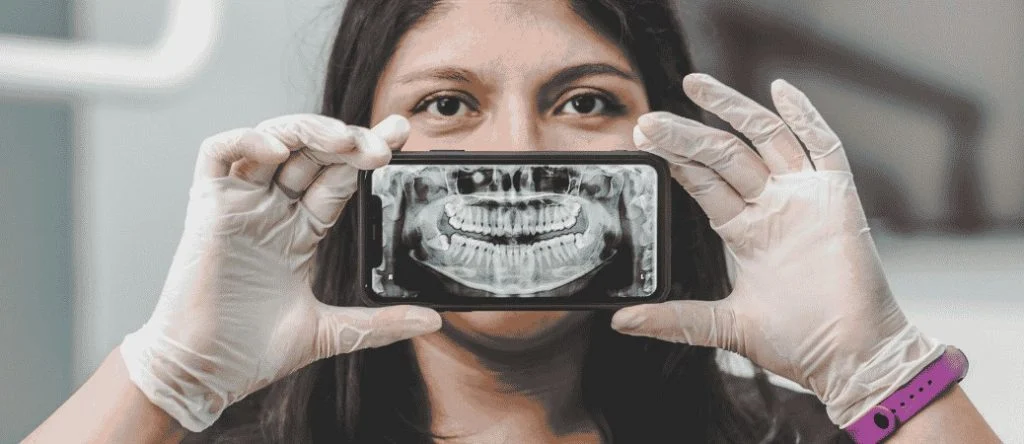
Dental X-rays show the level and pattern of bone support. Together, these findings help your dentist diagnose periodontal disease, plan care, and decide whether you need a periodontist, a specialist in gum treatment.
At Premier Dental Associates, Dr. Cassie Lins can evaluate signs of gum inflammation and help patients understand whether preventive care, periodontal treatment, or additional assessment may be needed.
When Swelling or Infection Needs Urgent Care
Contact your dentist promptly if you develop pus, increasing pain, or a localized swollen area. You need a same-day assessment for facial swelling, fever with a dental infection, or symptoms that are worsening quickly.
If swelling affects your breathing or swallowing, call 911 or go to an emergency department. Swelling spreading toward your eye or neck also calls for urgent medical assessment.
Which Treatments Can Protect Your Teeth and Gum Health?
Your gum disease treatment should remove harmful buildup and control inflammation while preserving as much tooth support as possible. The right approach follows your diagnosis and your response to initial care.
Professional Cleaning and Scaling and Root Planing
For gingivitis, professional cleaning removes the deposits that keep your gums irritated. Your home cleaning then helps the tissues recover between visits.
If you have periodontitis, your periodontal disease treatment may include scaling and root planing. Scaling removes deposits below your gumline, and root planing cleans affected root surfaces.
Local anesthesia may be used to improve comfort during scaling and root planing. Your dental team will reassess gum healing and pocket depths at follow-up visits.
When Flap Surgery or Regenerative Treatment May Help
If deep pockets remain after initial treatment, your periodontist may recommend flap surgery. Your gums are gently moved aside so the root surfaces can be cleaned more thoroughly, then repositioned to support easier maintenance.
For selected bone defects, your treatment options include bone grafting or guided tissue regeneration.
A membrane used during guided tissue regeneration helps create space for bone to regrow around your tooth. Your defect’s shape and remaining support influence whether regeneration is appropriate.
Why Ongoing Periodontal Maintenance Matters
After active treatment, you need continued monitoring because periodontitis remains a long-term condition. Periodontal maintenance focuses on areas vulnerable to renewed inflammation and buildup.
Your dentist can explain how often deep cleaning may be necessary and how that differs from your ongoing periodontal maintenance schedule.
How Can You Keep Your Gums Healthier Every Day?
You protect your gums through consistent plaque removal, tobacco avoidance, and dental visits matched to your risk. If you have diabetes, coordinating your medical and dental care strengthens that plan.
Brush Twice Daily and Clean Between Your Teeth

Brush twice daily with a soft-bristled toothbrush and fluoride toothpaste. Use gentle pressure along your gumline; careful brushing technique removes plaque without scrubbing your gums.
Clean between your teeth every day. When flossing your teeth, curve the floss around each tooth and move it gently along the side.
Ask your hygienist whether interdental brushes or a water flosser would suit your spaces, dental work, or hand strength.
Address Tobacco Use and Coordinate Diabetes Care
If you use tobacco, ask your dental or medical team for help quitting. Smoking increases periodontal risk and interferes with healing; it also reduces visible gum bleeding, making your symptoms less useful as a warning.
If you have diabetes, share your recent blood sugar information and medication changes with your dentist. Let your diabetes clinician know about active gum infection so your care teams have the same picture.
Schedule Dental Visits Based on Your Individual Risk
Your dental checkup schedule should reflect your gum condition, medical history, and ability to keep difficult areas clean. Active disease or previous periodontal treatment calls for closer follow-up than a healthy, stable mouth.
At Premier Dental Associates, you can ask for a clear explanation of your recommended interval and the findings behind it. Before leaving, confirm when you should return and which symptoms should prompt an earlier call.
Protect Your Overall Health by Treating Gum Disease Early
Early treatment gives you the best opportunity to reverse gingivitis and limit further damage from periodontitis.
Your gum health also deserves a place in your diabetes care, while other whole-body associations require measured expectations.
You do not need to wait for severe symptoms to act. If your gums keep bleeding or your teeth feel different, schedule an exam and ask for a written periodontal treatment and maintenance plan.
Frequently Asked Questions
Your outlook with gum disease depends on the damage already present and how consistently you receive follow-up care. These answers address common concerns after symptoms appear or you receive a diagnosis.
Can I treat gum disease at home without seeing a dentist?
You need a dental exam to know whether you have gingivitis or periodontitis. Home cleaning supports healing, but you cannot remove hardened tartar or assess bone loss yourself.
Will I lose all my teeth if I have periodontal disease?
You will not automatically lose all your teeth after a periodontal disease diagnosis. Your dentist assesses each tooth’s support and response to treatment; if a tooth needs removal, discuss replacement to address the effects of leaving a missing tooth untreated.
Can gum disease become life-threatening?
A severe oral infection that spreads beyond your mouth can become life-threatening, though this is uncommon. Seek emergency care if you have trouble breathing or swallowing, and get an urgent assessment for spreading swelling or fever with infection.
Can my dentist detect gum disease before I notice symptoms?
Your dentist can detect gum disease before you notice bleeding, pain, or loose teeth. Pocket measurements and an assessment of bone support reveal changes that are difficult to see at home.
Is gum disease hereditary?
Your inherited traits influence your risk of periodontal disease and how strongly your body responds to bacteria.
A family history is a reason to discuss closer monitoring, while daily cleaning and professional care remain useful ways to reduce your risk.