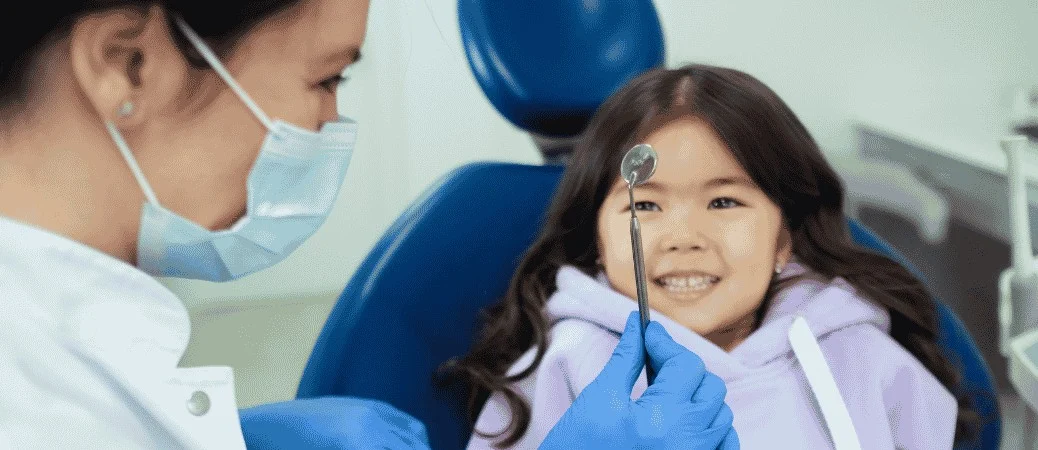
Taking your child to the dentist for the first time is an important step in their healthcare journey. Many parents in Lyndhurst wonder what will happen during this visit and how to make it a positive experience.
Your child’s first dental visit is usually brief and focuses on introducing your child to the dental office, performing a gentle examination, checking for early signs of decay, and offering tips for brushing and nutrition.
You might feel nervous about how your child will react or whether they’ll cooperate during the appointment.
Premier Dental Associates and other local offices are designed to make dental visits feel calm and welcoming for both kids and parents. The goal is to help your child feel comfortable and build trust from the very start.
This guide will walk you through everything you need to know about your child’s first dental appointment.
You’ll learn when to schedule it, how to prepare your little one, and what actually happens in the exam room.
Key Takeaways
- Schedule your child’s first dental visit around their first birthday or when their first tooth appears
- Prepare your child by talking about the visit positively and reading books about friendly dentist visits
- The first appointment includes a gentle exam, cavity check, and helpful tips for caring for your child’s teeth at home
Table of Content
- When and Why to Schedule Your Child’s First Dental Appointment
- How to Prepare for Your Child’s First Dental Visit
- What Happens During the First Appointment
- Choosing Between a Pediatric Dentist and a General Dentist
- Common Oral Health Topics at the First Visit
- Frequently Asked Questions
When and Why to Schedule Your Child’s First Dental Appointment
You should plan to take your child to the dentist by their first birthday or within six months after their first tooth appears.
Starting dental care early helps prevent problems like baby bottle tooth decay and sets up good habits that last a lifetime.
Recommended Timing for First Dental Visits
Your baby should have their first dental visit by age 1 or within six months after their first tooth comes in, whichever happens first.
Most babies get their first tooth around 6 months old, so scheduling an appointment near their first birthday works well for many families.
After that first visit, you should bring your child back every six months.
These regular check-ups help your child feel comfortable at the dentist and let the dentist watch how their teeth develop. Early visits catch problems when they’re small and easier to fix.
The timing matters because baby teeth start coming in during the first year. Getting professional guidance right away means you’ll know how to care for those new teeth properly.
Importance of Early Oral Health Care
Baby teeth do more than just help your child chew food. They play a big role in speech development and guide permanent teeth into the right positions.
Decay and infections in baby teeth can damage permanent teeth before they even come in.
Your child’s dentist will teach you how to:
- Clean your baby’s teeth and gums properly
- Prevent cavities with good brushing and flossing habits
- Handle teething and developmental milestones
- Avoid baby bottle tooth decay from feeding practices
- Deal with thumb sucking and pacifier use
Starting pediatric dentistry care early builds a foundation for lifelong oral health.
Consequences of Delaying the First Visit
Waiting too long to see a dentist puts your child at risk for tooth decay that could have been prevented. Cavities in baby teeth can cause pain, infections, and problems eating or speaking.
These issues affect your child’s nutrition, sleep, and ability to focus at school.
Delaying also means missing out on important education about oral care. You might not learn about risks like baby bottle tooth decay until damage has already happened.
Children who start dental visits later often feel more anxious about the dentist. Early visits help your child see the dentist as a normal, positive experience rather than something scary.



How to Prepare for Your Child’s First Dental Visit
Getting ready for your child’s first dental visit takes some planning.
You can make the experience easier by choosing the right appointment time, talking to your child about what will happen, and bringing items that help them feel safe.
Making the Appointment Kid-Friendly
Pick a time when your child is usually calm and alert. Morning appointments work well for most kids because they’re well-rested and haven’t gotten tired from the day.
Avoid scheduling during regular nap times or late afternoon hours. A cranky or sleepy child will have a harder time sitting still and staying calm.
If your child eats meals at specific times, make sure they won’t be hungry during the appointment.
Call ahead to ask if the dental office has experience with young children. Premier Dental Associates and other pediatric-focused practices often have offices designed to make kids feel welcome.
Some offices even have toys in the waiting room or kid-sized chairs.
Schedule your child’s first dental visit within six months after their first tooth comes in, or by their first birthday at the latest.
Helping Your Child Feel Comfortable
Talk to your child about the dentist in simple, positive words. Tell them the dentist is a friendly person who helps keep teeth healthy and strong. Don’t use words like “pain,” “shot,” or “hurt.”
Play pretend dentist at home before the appointment. Let your child practice opening their mouth wide while you gently count their teeth with a toothbrush.
Then switch roles and let them count your teeth or a stuffed animal’s teeth.
Read books or watch short videos about visiting the dentist together. These stories show kids what to expect in a fun way.
Keep your own tone calm and happy when you talk about the appointment, since your child picks up on your feelings.
What to Bring to the Dentist
Pack your child’s favorite comfort item, whether it’s a stuffed animal, blanket, or small toy. Having something familiar nearby helps reduce worry in a new place.
Bring these items to the appointment:
- Insurance cards and paperwork – Fill out forms ahead of time if possible
- Medical history information – List any medications or health conditions
- Comfort items – Favorite toy, blanket, or stuffed animal
- Snacks and water – For after the appointment, not before
Don’t worry if your child wants to bring more than one comfort item. Dentists understand that kids need extra support during their first visit.
You can also bring your phone with games or videos in case there’s a wait time, though many pediatric offices have activities available.
What Happens During the First Appointment
The first dental appointment includes a gentle exam, cleaning if needed, and helpful guidance for parents. Your child will get comfortable with the office while the dentist checks their teeth and gums.

Initial Check-In and Office Environment
When you arrive for your child’s first dental visit, the front desk staff will greet you and help complete any remaining paperwork.
You’ll provide information about your child’s medical history and any concerns you have about their oral health.
The waiting area is designed to help kids feel comfortable and relaxed. Many pediatric dentistry offices feature colorful decorations, toys, and books that make the space feel welcoming rather than scary.
Your child can play while you wait, which helps reduce any nervousness.
The dental team will call your child’s name when it’s time to go back.
Some offices allow parents to stay with their child during the entire visit, while others may ask older children to go in alone to build independence. For young children, you’ll likely be right there with them.
Dental Exam and Cleaning Procedures
The pediatric dentist or hygienist will start by counting your child’s teeth and examining their mouth. This exam is quick and gentle, focusing on checking for cavities, proper tooth development, and gum health.
During the exam, the dentist looks at:
- Number of teeth present
- Tooth alignment and bite
- Gum tissue health
- Signs of tooth decay
- Tongue and soft tissue
If your child has several teeth, a gentle cleaning may be performed using a soft brush or rubber cup. The dentist might also apply fluoride to strengthen tooth enamel and prevent cavities.
If your child cries or wiggles during the exam, this is completely normal. The dental team understands that this is a new experience. They’ll work at your child’s pace to keep things positive.
Parent and Child Education
The dentist will talk with you about proper oral care for your child’s age. This includes brushing techniques, how often to brush, and what type of toothbrush and toothpaste to use.
You’ll learn about important topics like:
- Baby bottle tooth decay and how to prevent it
- Proper feeding practices that protect teeth
- Teething symptoms and relief methods
- Thumb sucking or pacifier use
- Fluoride needs for your child
The dentist will demonstrate how to brush your child’s teeth correctly. They’ll show you the best angles and motions to clean all tooth surfaces effectively.
You can ask questions about anything that confuses you or causes concern.
For older children, the dentist may talk directly to them about why brushing and flossing matter. Making your child part of the conversation helps them understand their role in keeping their teeth healthy.
Discussing Next Steps and Follow-Ups
Before you leave, the dentist will schedule your next appointment. Routine dental checkups are recommended every 6 months to monitor your child’s oral health as they grow.
The dental team will give you a schedule of when to expect new teeth to come in. They’ll also let you know if any concerns need attention before the next visit.
If your child needs any additional treatments, the dentist will explain what’s involved and why it’s needed.
You’ll receive tips for making dental care fun at home. Many offices provide a goody bag with a toothbrush, floss, and other supplies your child can use.
Some dentists also give stickers or small prizes to celebrate a successful visit.
Choosing Between a Pediatric Dentist and a General Dentist
Both pediatric dentists and general dentists can care for your child’s teeth, but they differ in training and approach. Understanding these differences helps you decide which option works best for your family’s needs.
Differences in Training and Environment
Pediatric dentists complete two to three additional years of specialized training after dental school. During this time, they study childhood dental development, child psychology, and behavior management techniques.
General dentists treat patients of all ages. They receive a few weeks of pediatric training in dental school, which covers basic care for children.
Pediatric dental offices create kid-friendly spaces with bright colors, toys, and child-sized equipment. These offices use positive reinforcement and gentle language to help children feel comfortable.
General dental offices typically design their spaces for adults, which can feel more clinical and less welcoming to young patients.
Pediatric dentists also train in specialized techniques like “Tell-Show-Do,” where they explain procedures in kid-friendly terms before demonstrating and performing them. This approach reduces anxiety and builds trust.
When to See a Pediatric Dentist
Your child should visit a dentist by their first birthday or within six months after their first tooth appears. Regular checkups should happen every six months to monitor tooth development and prevent cavities.
Pediatric dentists specialize in issues unique to growing children. They can identify problems with baby teeth, monitor how permanent teeth come in, and address habits like thumb-sucking or pacifier use.
If your child has dental anxiety or special healthcare needs, a pediatric dentist offers specialized care with calming strategies and safe sedation options when necessary.
They understand how to communicate with nervous children and make visits positive experiences.
Role of Family and General Dentists
General dentists and family dentists can provide basic dental care for children who feel comfortable in their office. Many families appreciate the convenience of one dentist treating everyone.
Some families start with a pediatric specialist during early childhood, then transition to a general dentist as their child gets older.
This approach works well when behavior management and developmental monitoring matter most in the early years.
General dentists handle routine cleanings, fillings, and preventive care. However, they may refer complex cases or anxious children to pediatric specialists who have more experience with these situations.
The choice depends on your child’s comfort level, specific needs, and what feels right for your family.
Common Oral Health Topics at the First Visit
During your child’s first dental visit, the dentist will discuss several important topics to help you protect your baby’s teeth from common problems.
You’ll learn practical ways to prevent decay and keep your child’s smile healthy as they grow.
Preventing Cavities and Baby Bottle Tooth Decay
Baby bottle tooth decay is a serious concern that affects many young children. This condition happens when your baby’s teeth are exposed to sugary liquids for long periods, especially during naps or bedtime.
Never put your child to bed with a bottle of milk, formula, or juice. These drinks contain sugars that sit on the teeth and cause decay while your baby sleeps.
If your child needs a bottle for comfort at bedtime, fill it with plain water only.
You should also avoid dipping pacifiers in sugar, honey, or other sweet substances.
The dentist will explain how even breast milk can contribute to decay if it pools in your baby’s mouth during extended nursing sessions at night.
Wipe your baby’s gums with a clean, damp cloth after feedings to remove sugars and bacteria. Once teeth appear, brush them twice daily with a rice-sized smear of fluoride toothpaste.
Oral Hygiene Tips for Parents
The dentist will show you the proper way to brush your child’s teeth at home. Use a soft-bristled toothbrush designed for infants or toddlers.
For children under three years old, use only a rice-sized amount of fluoride toothpaste. Children ages three to six can use a pea-sized amount. You should brush your child’s teeth twice daily, especially before bedtime.
Position yourself so you can see into your child’s mouth clearly. Gently brush all surfaces of each tooth, including the backs and along the gumline.
Your child won’t have the coordination to brush effectively on their own until around age six or seven.
Make brushing fun by singing songs or using a timer to ensure you brush for two full minutes. The dentist may recommend starting to floss once your child has two teeth that touch each other.
Nutritional Advice for Healthy Smiles

What your child eats and drinks directly affects their dental health. The dentist will discuss how to make smart food choices that protect your child’s teeth.
Limit sugary snacks and drinks throughout the day. Frequent exposure to sugar gives bacteria in the mouth more chances to produce acids that attack tooth enamel. Offer water between meals instead of juice or milk.
Choose healthy snacks like cheese, yogurt, vegetables, and fruits. Cheese actually helps neutralize acids in the mouth. Crunchy vegetables can help clean teeth naturally.
Avoid sticky foods like gummies, raisins, and fruit snacks that cling to teeth. If your child does eat sweets, serve them with meals rather than as standalone snacks.
Saliva production increases during meals, which helps wash away sugars and acids.
Frequently Asked Questions
Parents often have similar concerns when bringing their child to the dentist for the first time. These answers cover timing, what happens during the visit, preparation tips, and important dental care rules.
When should I schedule my child’s first dental appointment?
You should schedule your child’s first dental appointment when their first tooth appears or by their first birthday, whichever comes first.
The American Academy of Pediatric Dentistry and the American Dental Association both recommend this timing.
Early dental visits help catch problems before they become serious. Your dentist can also teach you how to care for your baby’s new teeth.
Starting dental visits early helps your child get comfortable with the dentist’s office. This makes future appointments much easier.
What usually happens during a child’s first dental visit?
The first visit is usually fairly brief and focuses on getting your child comfortable with the dental office. Your dentist will do a gentle exam of your child’s mouth and teeth.
The dentist will check for early signs of tooth decay. They will also look at how your child’s teeth and jaw are developing.
You can expect tips on brushing, nutrition, and preventing cavities. The dentist may also discuss teething and when to expect new teeth.
Most first visits do not include a full cleaning unless your dentist thinks it’s needed. The main goal is to make the experience positive and stress-free.
How can I help my child feel calm and confident before their first visit?
Positively talk about the dentist before the appointment. Describe the dentist as a friendly helper who makes sure teeth stay healthy and strong.
Let your child bring a favorite toy, blanket, or stuffed animal to the appointment. Having something familiar nearby helps reduce worry in a new place.
Practice at home by playing pretend dentist. Count your child’s teeth with a toothbrush, then let them practice on a stuffed animal or doll.
Choose an appointment time when your child is well-rested and fed. Avoid scheduling during nap time or late afternoon when kids tend to be tired or cranky.
Read children’s books or watch short videos about going to the dentist. These help your child understand what will happen in a fun way.
Will my child get dental X-rays at their first appointment, and are they safe?
Most children do not need X-rays at their first dental visit. Dentists usually only take X-rays when they suspect a problem or when your child is older and has more teeth.
When X-rays are needed, they are very safe for children. Modern dental X-rays use very low levels of radiation, much less than in the past.
Your dentist will use a lead apron to protect your child’s body during X-rays. The X-ray machine is also aimed carefully to limit exposure to just the teeth.
X-rays help dentists see problems between teeth and below the gum line that regular exams miss. This includes cavities, extra teeth, or developmental issues.
What are the 3-3-3, 2-2-2, and 7-4 rules for kids’ teeth and brushing?
The 3-3-3 rule means brushing three times a day for three minutes each time, covering all three main areas of the mouth. However, most dentists agree that brushing twice a day for two minutes is more realistic and still effective.
The 2-2-2 rule is easier to remember and follow. Brush two times per day for two minutes each time, and start dental visits by age two.
The 7-4 rule relates to when teeth come in and fall out. Most children get their first tooth around 7 months old and start losing baby teeth around age 4 to 7.
These rules are guidelines to help you remember good dental habits. Your dentist in Lyndhurst can give you specific advice based on your child’s needs.
What questions should I ask the dentist about my child’s brushing, flossing, and diet?
Ask how much toothpaste your child should use at their age. For children under three, use a smear the size of a grain of rice.
Find out when you should start flossing your child’s teeth. This usually begins when two teeth touch each other.
Ask about foods and drinks that are best for your child’s teeth. Also ask which snacks and beverages you should limit or avoid.
Check if your child needs fluoride supplements based on your local water supply. Some areas have fluoride in the water, while others do not.
Ask about thumb sucking or pacifier use and when your child should stop these habits. These can affect how teeth and jaws develop.
Find out how to handle dental emergencies like a knocked-out tooth or a toothache. Knowing what to do ahead of time helps you stay calm if something happens.