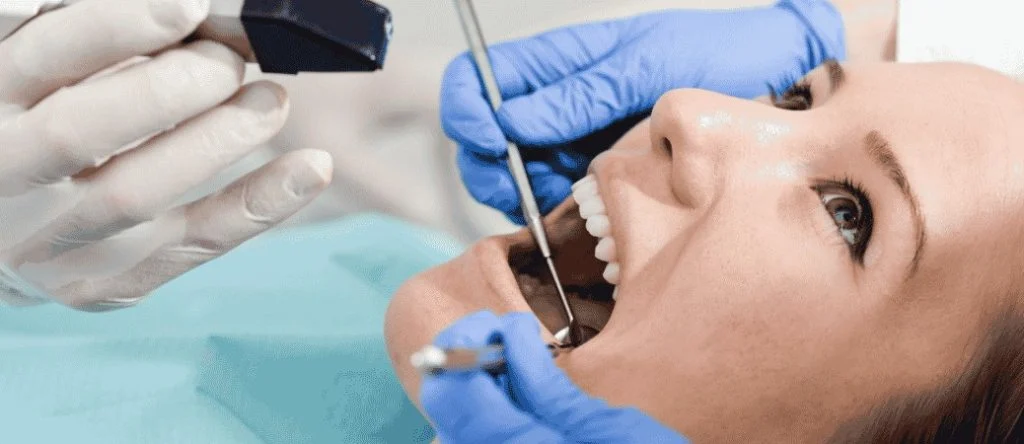


A cracked tooth emergency never waits for a convenient time. It can happen on vacation, during a weekend, or late at night when your regular dentist’s office is closed.
The pain is real, the worry is real, and figuring out what to do next shouldn’t add to the stress.
Here’s what matters most: most cracked teeth are urgent but not life-threatening, and knowing the difference in the first few minutes helps you get the right care fast without panicking.
A small chip with mild sensitivity is very different from a crack paired with facial swelling or trouble breathing. One can wait until morning. The other needs a call to 911.
This guide gives you a clear way to sort your symptoms, decide who to call, and protect your tooth until you’re in a dental chair, whether that’s an emergency dentist near your hotel or your own dentist back home.
Key Takeaways
- Facial swelling with breathing or swallowing trouble is a medical emergency that needs 911 or an ER, not a dental office.
- Most cracked teeth, even painful ones, are better treated by an emergency dentist than a hospital emergency room.
- Simple steps like a cold compress, over-the-counter pain relief, and avoiding hard foods can keep a crack from getting worse until you’re seen.
Table of Content
- Decide Your Care Level in the Next Few Minutes
- Why a Crack Can Turn Into an Urgent Problem
- What to Do Until You Can Be Seen
- How to Find the Right Help Away From Home
- Prompt Care Protects Your Tooth and Your Health
- Frequently Asked Questions
Decide Your Care Level in the Next Few Minutes
Sort your symptoms into three groups before you do anything else: signs that need 911 or an ER, signs that need a same-day dentist, and signs that can wait until your regular office opens.
This quick sorting step saves time and keeps you from either panicking over a minor chip or waiting too long with a serious infection.
Red Flags That Mean Call 911 or Go to the Emergency Room
Facial swelling paired with difficulty breathing or swallowing is a medical emergency, not a dental one. Call 911 or head to the nearest emergency room right away.
Other signs that mean the same thing include uncontrolled bleeding that won’t stop with steady pressure, a high fever with confusion or chills, and swelling that spreads toward your eye or down your neck.
These symptoms point to an infection that has moved beyond the tooth itself, or possible trauma to the jaw.
An emergency room can treat facial swelling that affects breathing or swallowing, while dental offices are not equipped for airway emergencies.
When to Call an Emergency Dentist the Same Day
Severe tooth pain that doesn’t ease up with over-the-counter medicine, a visible crack that reaches below the gumline, or a broken piece of tooth all call for a same-day emergency dentist.
Depending on the extent of the damage, a same-day crown may be one option for restoring and protecting the remaining tooth.
An emergency dentist can provide X-rays, temporary repairs, and pain relief that a hospital typically cannot.
Look for urgent dental care clinics or after-hours dentists in the area you’re visiting. Many cities have at least one option open evenings or weekends.
When a Cracked Tooth Can Usually Wait Until Morning
Mild tooth sensitivity, a small surface chip, or slight discomfort that responds to ibuprofen or acetaminophen can usually wait until your regular office opens or the next morning.
Watch for changes overnight. If pain increases sharply or swelling starts, move up to same-day care instead.
Why a Crack Can Turn Into an Urgent Problem
A crack that looks small on the outside can run much deeper on the inside, and that’s what turns a minor annoyance into a real dental emergency.
Once a crack reaches the nerve or lets bacteria inside the tooth, waiting a few extra days can mean the difference between a simple repair and a root canal or extraction.
Signs the Crack May Reach the Nerve
Sharp pain when you bite down, lingering sensitivity to hot or cold that doesn’t fade quickly, and visible pink or red tissue inside the crack all suggest the nerve is exposed.
A shallow crack limited to enamel is often not urgent, but one reaching deeper needs prompt attention.
Depending on how much healthy tooth structure remains, treatment may include a filling, dental crown, root canal treatment, or extraction.
Dental Abscess and Infection Warning Signs
A dental abscess often announces itself with a small gum boil, a bad taste that won’t go away, or swollen lymph nodes in your neck.
These are signs of an oral infection that started at the crack site. Left untreated, infections can spread beyond the tooth and into surrounding tissue, which is why fever or spreading swelling should never be ignored.
Gum disease can also complicate the area around a cracked tooth because the surrounding gum tissue may already be inflamed.
If you have persistent bleeding, swelling, or other signs you need periodontal treatment, those symptoms should also be evaluated.
Trauma That Can Damage More Than One Tooth
A fall, sports collision, or car accident rarely cracks just one tooth. Check for a loose tooth, shifted teeth, or pain along the jawline, since these can signal luxation (a tooth pushed out of its normal position) or even a jaw fracture.
Trauma involving multiple teeth or the jaw needs the same urgency as a severe crack, sometimes with a same-day dentist and sometimes with an ER visit if a fracture is suspected.



What to Do Until You Can Be Seen
Protect the tooth, manage pain safely, and avoid anything that could worsen the crack while you arrange care.
None of these steps fix the underlying problem. They simply keep things stable until a dentist can take over.
Protect the Tooth and Avoid Making the Fracture Worse
Skip hard foods and chew on the opposite side of your mouth. Avoid ice, nuts, hard candy, and anything crunchy that could split the crack further.
If a rough edge is bothering your tongue or cheek, a small piece of sugar-free gum or dental wax can cover it temporarily.
Use Pain Relief and a Cold Compress Safely
Ibuprofen or acetaminophen, taken as directed on the label, can ease discomfort while you wait for care. A cold compress held against your cheek for 15 to 20 minutes at a time helps with swelling and pain.
Never place aspirin directly on the gum or tooth, since this can burn the tissue.
What to Do if a Tooth Is Knocked Out or Shifted
A knocked-out permanent tooth needs attention within the first 30 to 60 minutes for the best chance of saving it.
Pick it up by the crown (never the root), rinse it gently without scrubbing, and try placing it back in the socket if possible.
If that’s not possible, keep it moist in milk or saliva and get to an emergency dentist immediately.
A loose or shifted tooth from trauma should be checked the same way, since luxation can affect the tooth’s blood supply if left alone too long.
How to Find the Right Help Away From Home
Search for “emergency dentist” plus your current city or zip code, and call ahead so the office knows you’re coming from out of town.
Many dental offices keep same-day slots open specifically for situations like this, and calling first saves you from showing up somewhere that can’t help.
Emergency Dentist vs. Urgent Care vs. the ER
Each option serves a different purpose, and picking the right one the first time saves you hours.
| Emergency Dentist | Urgent Care | Emergency Room | |
| Best for | Cracked, broken, or painful teeth | General injuries, not tooth-specific | Breathing/swallowing trouble, facial fractures |
| Can repair a tooth | Yes | No | No |
| Can prescribe antibiotics | Yes | Yes | Yes |
| Typical wait for dental issue | Same-day appointment | Longer, not dental-focused | Longest, dental care not primary focus |
An emergency room can offer pain medication and antibiotics but usually cannot perform the definitive repair a cracked tooth needs.
Save the ER for medical emergencies like breathing trouble, uncontrolled bleeding, or suspected jaw fractures.
What to Tell an After-Hours Dental Office
Describe when the crack happened, what it feels like (sharp, throbbing, or dull), and whether you’re seeing any swelling, discharge, or fever.
Mention if you’ve lost a filling or if your dental crown fell off, since these details can affect how quickly you need to be seen.
The more specific you are on the phone, the faster the office can decide how urgent your case is.
How Dental Insurance May Affect a Vacation Emergency
Dental insurance benefits for emergency treatment vary by plan. If possible, check with your insurance provider before treatment to understand your coverage, network requirements, and reimbursement process.
Keep copies of receipts and X-rays that may be useful for insurance or follow-up care.
Prompt Care Protects Your Tooth and Your Health
A cracked tooth should be evaluated promptly so your dentist can determine how deep the damage goes.
A comprehensive dental exam can help identify whether the tooth needs a filling, crown, root canal treatment, or another approach.
Facial swelling, fever, or pain that keeps building are signals your body is asking for help, not something to push through until you’re home.
Emergency dental care exists for exactly these moments, and using it early protects both the tooth and your oral health long term.
Frequently Asked Questions
Is a cracked tooth always a dental emergency?
No, not every cracked tooth needs same-day care. A small surface chip with little to no pain can often wait for a regular appointment, while a crack causing sharp pain, swelling, or visible nerve exposure needs prompt attention.
Should I go to the ER for a cracked tooth while traveling?
Go to the ER only if the crack comes with facial swelling that affects your breathing or swallowing, uncontrolled bleeding, or signs of a jaw fracture from trauma.
For pain, sensitivity, or a broken piece of tooth without those symptoms, an emergency dentist is the better and faster choice.
What should I do if my cracked tooth starts swelling at night?
Apply a cold compress to the outside of your cheek and take ibuprofen or acetaminophen as directed to manage discomfort until morning.
If the swelling spreads toward your eye or neck, or you develop a fever, treat it as urgent and seek same-day or emergency care right away.
Can I wait until I get home to see my regular dentist?
You can wait if your symptoms are mild, such as slight sensitivity or a small chip without pain.
Waiting isn’t safe if you have significant pain, swelling, or any sign of infection, since these problems tend to get worse rather than better on their own.
What pain medicine can I take for a cracked tooth before my appointment?
Ibuprofen or acetaminophen, taken according to the package directions, can help manage pain until you’re seen. Avoid putting aspirin directly on the gum or tooth, since it can irritate or burn the tissue instead of easing pain.