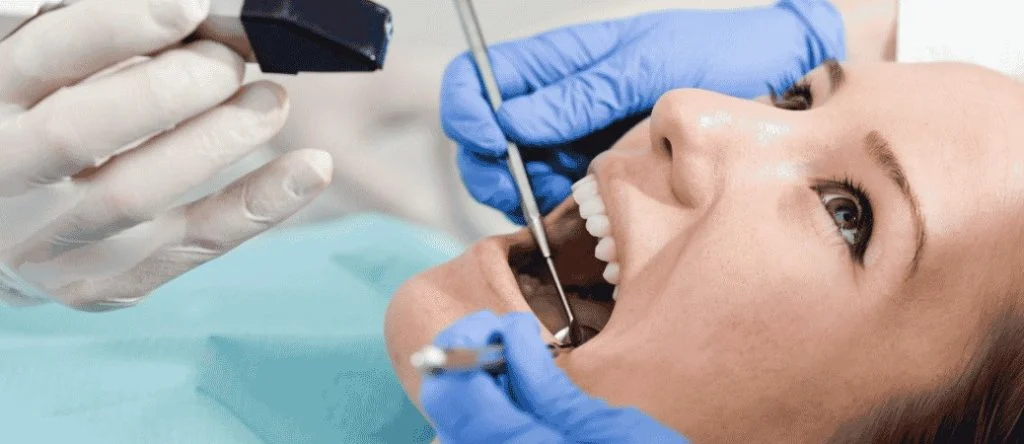


There is no fixed age when dental implants stop being an option. Doctors place them successfully in patients in their 70s, 80s, and beyond, as long as bone strength and overall health support healing.
What changes after 60 has less to do with your birthday and more to do with the health picture your body brings to the table.
If you have lost one or more teeth, you already know how it affects chewing, speaking, and confidence.
The good news is that healthy bones, well-managed medical conditions, and a thoughtful treatment plan matter far more than the number of candles on your last birthday cake.
Some seniors sail through dental implant treatment with no more trouble than a younger patient.
Others need extra steps first, like treating gum disease or coordinating with their doctor about a medication. Either way, tooth replacement stays realistic for most people after 60.
This piece walks through what an implant dentist actually checks before recommending treatment, from bone density to blood sugar to blood thinners, and how those checks shape which tooth replacement option fits your health and your budget.
Key Takeaways
- Age by itself does not disqualify anyone from dental implants; bone health and stable medical conditions matter more.
- Certain health factors, like uncontrolled diabetes or specific medications, may delay treatment rather than rule it out completely.
- Options range from a single implant to full-arch replacement, with costs and healing times that vary by case.
- Is There an Age Limit for Dental Implants?
- What Determines Candidacy and Safety?
- How Do Surgery and Healing Work?
- Which Tooth Replacement Option Fits Your Needs and Budget?
- A Health-Led Plan Can Make Implants Possible
- Frequently Asked Questions
Is There an Age Limit for Dental Implants?
No upper age limit exists for dental implants. What matters is whether your body can heal and support the implant, not how many years you have lived.
Research backs this up: one study comparing patients over 65 with a younger group found only a 2% failure rate across both age groups over 10 years, with slightly more complications only among patients over 80.
Why Health Matters More Than Your Birth Date
Two people born the same year can have very different bone health, gum health, and healing capacity.
A dentist looks at your medical history, current medications, and jawbone condition, not your age on paper. That is why some 70-year-olds qualify easily while some 55-year-olds need more preparation first.
What Implant Success Rates Mean for Older Adults
Dental implants show strong long-term results across age groups, with success rates around 97% at 10 years and 75% at 20 years.
Implant survival depends on the implant fusing solidly with the jawbone, a process called osseointegration, and staying free of infection afterward. Implant stability tends to hold up well once that fusion happens, regardless of age.
When Frailty or an Unstable Condition May Change the Decision
Frailty, uncontrolled disease, or a recent major health event can shift the timeline. A dentist may recommend waiting until a condition stabilizes rather than saying no outright. This is a delay for safety, not a permanent door closing.
What Determines Candidacy and Safety?
Candidacy comes down to bone density, gum health, and how well any medical conditions are controlled.
Understanding whether dental implants are safe for everyone can also help you see why health matters more than age alone.
A thorough dental implant consultation, often including a CBCT scan or 3D cone beam CT scan, gives your dentist or oral surgeon a clear picture of your jawbone before any decision gets made.

How Bone Density and Jawbone Loss Are Assessed
Bone density assessment uses 3D imaging to measure jawbone height, width, and density in the exact spot an implant would go.
Bone resorption, the natural bone loss that follows tooth loss, can shrink the jaw over time if left untreated.
Osteoporosis affects bone throughout the body, but jawbone density often holds up differently, so imaging gives a far more accurate answer than guessing based on a bone scan from another part of the body.
Why Gum Health Must Be Treated First
Active gum disease has to be treated before implant surgery, not after. If you have bleeding, swelling, or other signs you need periodontal treatment, addressing them first can help create a healthier foundation for implant treatment.
A dentist will typically treat gum disease first, confirm the tissue has healed, and then move forward with imaging and planning.
How Diabetes, Heart Disease, and Immune Conditions Affect Planning
Controlled diabetes with a stable HbA1c rarely stands in the way of implant treatment, but poorly controlled blood sugar raises infection risk and slows healing.
Heart disease and cardiovascular conditions usually just require medical clearance and coordination with your cardiologist before surgery.
Autoimmune conditions like rheumatoid arthritis, or a history of cancer treatment, call for extra planning since they affect how the immune system responds to healing.
Which Medications Need Coordination Before Surgery
Certain medications need a conversation with your prescribing doctor before implant surgery gets scheduled.
- Bisphosphonates and denosumab, often prescribed for osteoporosis, carry a small risk of medication-related osteonecrosis of the jaw (MRONJ), so your dentist will review your dosage and duration of use.
- Blood thinners like warfarin or apixaban usually do not need to be stopped, but your surgeon will coordinate timing with your doctor to manage bleeding risk.
- Steroids and immunosuppressants can slow healing, so your team may adjust timing or monitor recovery more closely.


How Do Surgery and Healing Work?
Dental implant surgery involves placing a small titanium post into the jawbone, letting it fuse with the bone, then attaching a custom crown on top.
The full dental implant process happens in stages over several months, with healing time built in between each step.
The Dental Implant Process From Scan to Final Tooth
The dental implant procedure starts with a 3D scan to map your jawbone and plan exact implant placement.
After healing, your dentist attaches an abutment and finally the dental crown, the visible tooth that matches your smile.
What Osseointegration Means for Implant Stability
Osseointegration is the process where the jawbone grows around and fuses to the implant post, locking it in place.
This fusion is what gives implants their strength and long-term implant stability, letting them function like a natural tooth root.
It typically takes a few months, and your dentist will confirm it is solid before adding the permanent crown.
Healing After Dental Implant Surgery: A Realistic Timeline
Healing after dental implant surgery usually takes three to six months for the bone to fully integrate, though initial soreness settles within a week or two.
Bone healing can take longer in older adults or those with certain health conditions, which is why your dentist builds in extra check-ins along the way.
Patience here pays off. Rushing the crown placement before the bone is ready raises the risk of implant failure.
When Sedation Dentistry May Be Helpful
Sedation dentistry can ease anxiety or help patients who have trouble sitting still for longer procedures. This is especially useful for seniors with joint pain, tremors, or dental anxiety built up over years of difficult dental visits.
Your dentist will review your medical history first to choose a sedation option that is safe alongside your other medications.
Which Tooth Replacement Option Fits Your Needs and Budget?
The right tooth replacement option depends on how many teeth you are missing, your bone health, and what you can comfortably spend.
Options range from a single implant crown to full-arch replacement, each with different costs, healing needs, and day-to-day maintenance.
Single Implants, Implant-Supported Bridges, and Crowns
A single missing tooth is often replaced with one implant topped with a dental crown.
If you are missing several teeth in a row, an implant-supported bridge anchors a span of replacement teeth to just two implants instead of one per tooth.
Both options preserve jawbone health better than traditional dentures since the implant post stimulates the bone the way a natural root would.
Implant-Retained Dentures and Overdentures
Implant-supported dentures, also called implant-retained dentures or overdentures, snap onto a small number of implants for a denture that no longer slips or requires messy adhesive.
Compared with removable dentures, overdentures improve chewing efficiency and give a more natural-looking smile since they sit more securely against the gum.
Many seniors switch to overdentures after years of frustration with loose, removable dentures. Comparing dentures vs dental implants can help you understand the differences in stability, maintenance, and treatment.
Full-Arch Solutions for Extensive Tooth Loss
Full mouth dental implants, sometimes called full arch implants or All-on-4 style solutions, replace an entire arch of teeth using as few as four to six implants per jaw.
This full arch replacement approach works well for patients with extensive tooth loss who want a fixed, non-removable result.
Recovery takes longer than a single implant, but the outcome functions much closer to natural teeth than a traditional denture, an option worth exploring further if you’re comparing all on x dental implant candidates.
When Bone Grafting, a Sinus Lift, or Advanced Implants Are Considered
Bone grafting rebuilds the jawbone that has thinned after years of missing teeth, giving an implant enough bone to anchor into.
A sinus lift adds bone specifically in the upper jaw when the sinus sits too close to the intended implant site.
In cases of severe bone loss, zygomatic implants or subperiosteal implants anchor into denser bone elsewhere in the skull, and mini dental implants offer a smaller option for narrower jaw ridges.
How Much Do Dental Implants Cost for Seniors?
Cost varies widely depending on how many implants you need and whether bone grafting comes first. A single implant without insurance can run as much as $6,000, and full mouth treatment costs considerably more.
Dental insurance coverage for implants is limited, so it is worth asking about dental implant financing options before committing to a treatment plan.
| Option | Best For | Relative Cost | Healing Time |
| Single implant + crown | One missing tooth | Lower | 3-6 months |
| Implant-supported bridge | Several teeth in a row | Moderate | 3-6 months |
| Implant-retained overdenture | Full arch, removable | Moderate-high | 3-6 months |
| Full-arch (All-on-4 style) | Extensive tooth loss | Higher | 4-8 months |
A Health-Led Plan Can Make Implants Possible
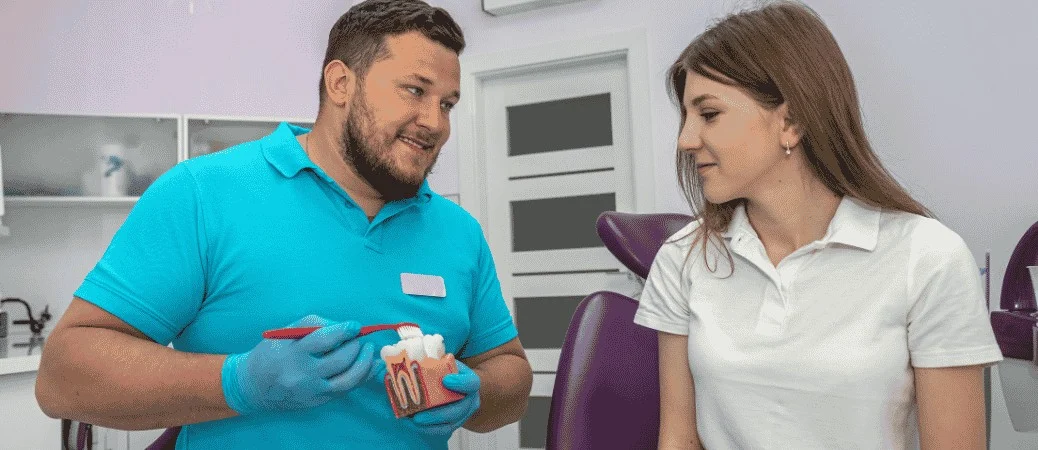
A steady oral hygiene routine protects your implant investment for years to come.
An electric toothbrush, water flosser, and int erdental brushes clean around implants and natural teeth more effectively than a manual brush alone, especially in tight spaces around a bridge or overdenture.
Regular dental checkups can help identify early dental implant failure signs, including problems associated with inflammation or infection around an implant.
Pairing good home care with consistent checkups gives your implants the best chance at lasting decades, not just years.
Frequently Asked Questions
At what age should you stop getting dental implants?
No specific age means you should stop considering dental implants.
The decision comes down to whether your bone and overall health can support healing, which dentists confirm through imaging and a medical history review rather than a birthday cutoff.
Are dental implants worth it for seniors?
Implants often make sense for seniors who want a permanent, secure solution to missing teeth, since they preserve jawbone and restore chewing ability better than removable dentures.
The upfront cost is higher, but implants can last a decade or longer with proper care, making them a solid long-term investment for many.
Can I get dental implants if I have osteoporosis?
Osteoporosis alone does not rule out dental implants, especially if your jawbone density checks out on imaging.
Your dentist will also review whether you take bisphosphonates or denosumab, since long-term use of these medications needs extra planning to avoid complications.
Do blood thinners prevent me from getting dental implants?
Blood thinners like warfarin or apixaban do not automatically prevent implant surgery.
Your surgeon typically coordinates with your prescribing doctor to manage bleeding risk during the procedure rather than stopping the medication altogether.
What is the downside to dental implants after 60?
The main trade-offs are a longer healing timeline and the need for extra health checks before surgery, such as blood sugar control or bone density imaging.
Cost is another factor, since dental insurance rarely covers the full price of implant treatment.
What should I know before choosing dental implants?
Before choosing dental implants, get a full evaluation of your bone health, gum health, and any medical conditions that could affect healing.
Ask your dentist about realistic timelines, total costs, and how the plan handles any medications you currently take, so there are no surprises once treatment begins.