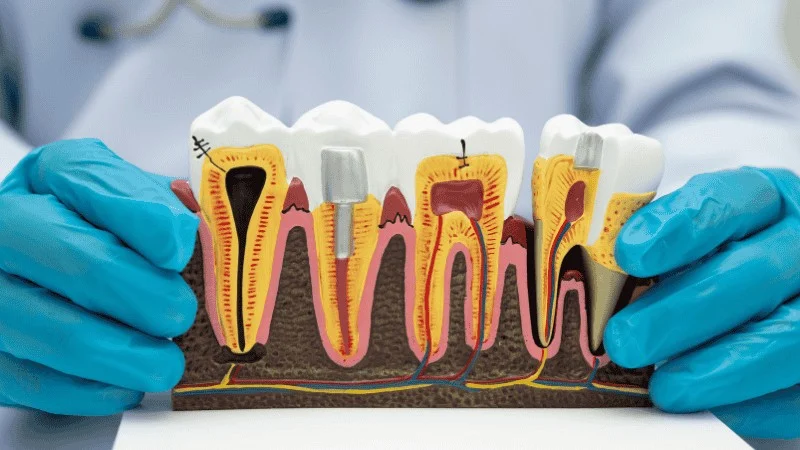
You expect your dental implant to feel strong and stable. When it starts to hurt, swell, or feel loose, you may worry that something went wrong.
Dental implant failure can happen early in healing or years later, and knowing the signs helps you act fast.
You can often save your implant and protect your jawbone if you spot early warning signs like pain, swelling, bleeding, or movement and get prompt dental care.
Problems such as infection, bone loss, smoking, or heavy bite pressure can affect healing and long-term stability, as explained in this guide on dental implant failure causes and early signs.
You do not have to guess what is normal and what is not. When you understand the dental implant failure signs and the steps to take next, you can protect your smile and make confident decisions about your care.
Key Takeaways
- Early signs like pain, swelling, or looseness need quick dental evaluation.
- Infection, bone loss, and pressure on the implant often cause problems.
- Fast treatment improves your chances of keeping or replacing the implant successfully.
Recognizing Early Warning Signs of Dental Implant Failure
You can often spot signs of dental implant failure before the problem becomes severe. Pain, movement, swelling, or changes in how your teeth fit together usually signal that something needs attention.
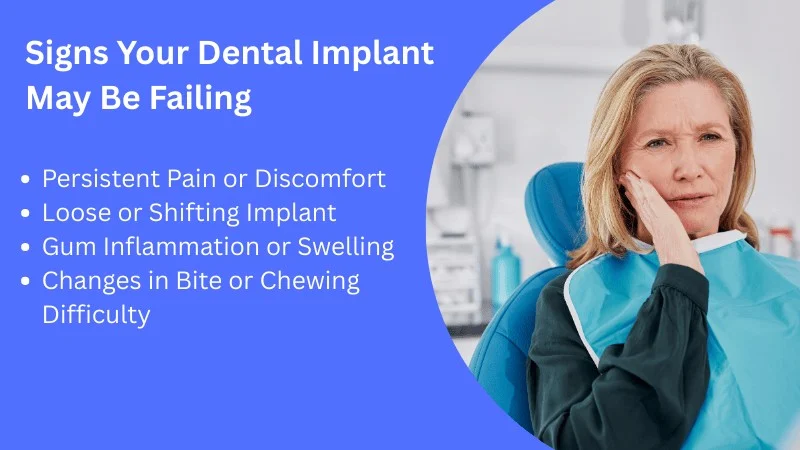
Persistent Pain or Discomfort
Some soreness after dental implants is normal. You may feel mild pain for a few days after surgery, and it should slowly improve.
Pain becomes a concern when it lasts longer than expected, gets worse instead of better, or starts months after healing. Throbbing pain can point to infection.
Sharp pain when you bite down may suggest stress on the implant or early implant failure.
Pay attention to timing. If you felt fine for weeks or months and then pain began, that is not typical healing.
Call your dentist if you notice:
- Pain that lasts more than 1–2 weeks
- Pain that wakes you up at night
- New discomfort after a period of comfort
You should not ignore ongoing pain. Early care can sometimes stop implant failure before it progresses.
Loose or Shifting Implant
A healthy implant should feel solid. It should not move when you chew, speak, or touch it with your tongue.
If you feel a loose dental implant, that is a serious warning sign. A loose implant often means the bone did not fuse properly to the implant. This problem can occur during early implant failure or later due to bone loss.
You might notice:
- A slight wiggle when you chew
- A shifting implant when you press on it
- A clicking feeling under the crown
Sometimes the crown or abutment is loose, not the implant itself. Only your dentist can tell the difference.
Do not chew on that side if you suspect movement. Continued pressure can increase damage and make treatment more complex.
Gum Inflammation or Swelling
Healthy gums around dental implants should look pink and feel firm. They should not bleed easily.
Redness, swelling, or bleeding may signal gum inflammation around the implant. This condition can lead to bone loss if untreated. Infections around implants are often linked to plaque buildup.
Common warning signs include:
- Swollen or tender gum tissue
- Bleeding when brushing or flossing
- Pus or discharge near the implant
- Bad taste or persistent bad breath
A detailed guide on signs of dental implant failure explains how inflammation can progress if you delay care.
Early treatment may include deep cleaning and antibiotics. Waiting too long increases the risk of implant failure.
Changes in Bite or Chewing Difficulty
Your implant should let you chew comfortably once healing is complete. You should not feel pressure or imbalance.
If your bite suddenly feels “off,” pay attention. A loose implant, shifting implant, or bone loss can change how your teeth meet.
You may notice:
- Pain when biting down
- Avoiding certain foods
- A feeling that one side hits first
- Trouble chewing firm foods
These changes often develop slowly. You may adjust without realizing it.
Do not ignore small shifts. Bite problems can place extra force on dental implants and increase the risk of implant failure. Early adjustment by your dentist can prevent more serious damage.
If you are experiencing any of these warning signs, do not wait. Contact our office today in Lyndhurst, Ohio,to schedule an urgent evaluation.
Other Symptoms to Watch For
Some problems show up in the gums and soft tissue around your implant. These changes often point to implant-related infection or loss of bone support and should not be ignored.
Gum Recession Around the Implant
Gum recession happens when the gum tissue pulls back and exposes more of the implant or crown. You may notice the metal post showing near the gumline or your tooth looking longer than before.
This change is not just cosmetic. When your gums recede, they leave the implant more open to bacteria. That raises your risk of an implant-related infection and bone loss.
Watch for these signs:
- The implant feels loose when you press on it
- The gum looks thin, red, or irritated
- You feel sensitivity near the implant
Recession can result from poor oral hygiene, smoking, or brushing too hard. It can also signal early implant failure. If you see gum changes, schedule a dental visit.
Your dentist may take X-rays to check bone levels and decide if treatment can save the implant.
Unpleasant Taste or Odor

A constant bad taste in your mouth is not normal after healing. You might also notice bad breath that does not improve with brushing or mouthwash.
These symptoms often point to bacteria trapped around the implant. Infection around implants, called peri-implantitis, can cause tissue damage and bone loss.
The page on signs of dental implant failure explains how infection and bone loss often go hand in hand.
Pay attention if you notice:
- A sour or metallic taste near the implant
- Bad breath that returns quickly after cleaning
- Swelling or tenderness in the same area
An unpleasant odor alone may seem minor. But when it lasts more than a few days, it often signals a deeper problem. Early treatment can stop infection before the implant feels loose or painful.
Bleeding or Pus at the Implant Site
Some light bleeding is normal right after surgery. Bleeding that starts again months or years later is not.
If your gums bleed when you brush around the implant, your body may be reacting to bacteria. Pus, which looks like a yellow or white fluid, is a clear sign of implant-related infection.
You might also notice:
- Swelling around the implant
- Throbbing pain
- The implant feels loose when you chew
According to this guide on signs of a failed dental implant, bleeding and discharge often mean the tissue around the implant is inflamed or infected.
Do not try to treat this at home. Infection can spread and cause bone loss if you wait. Call your dentist right away so they can clean the area, take X-rays, and decide the next step.
Understanding the Primary Causes of Implant Failure
Dental implants fail when the bone and implant do not bond well or when infection and excess force damage the area. Problems often start small, then worsen if you ignore them.
Peri-Implantitis and Infection
Peri-implantitis is a gum infection that affects the tissue and bone around your implant. It causes swelling, bleeding, and gradual bone loss. If you do not treat it, the implant can loosen and fail.
Plaque buildup is the main trigger. Poor brushing, trapped cement, or gaps between parts of the implant let bacteria grow. If you have a history of periodontitis, your risk is higher.
Early infection can lead to failed osseointegration, which means the implant never bonds fully with your bone. Later infection can break down bone that once supported the implant.
A detailed review in the Etiology and Management of Dental Implant Failure explains that infection remains one of the most common and preventable causes of implant loss.
You lower your risk by brushing twice a day, cleaning around the implant carefully, and keeping regular dental visits.
Poor Bone Quality or Quantity
Your implant depends on strong bone to stay stable. If you have poor bone quality or not enough bone volume, the implant may not anchor well from the start.
Osseointegration requires healthy blood supply and firm bone contact.
Conditions like uncontrolled diabetes, osteoporosis, or heavy smoking can weaken this process. In these cases, the implant may show early movement. That movement often signals failed osseointegration.
Bone problems also increase the risk of early implant loss within the first few months.
According to this overview of common causes of dental implant failure, poor bone quality and surgical issues often play a role in early failure.
If your dentist spots low bone density before surgery, they may suggest bone grafting. That step builds a stronger base and improves your chance of long-term success.
Teeth Grinding and Bruxism
Teeth grinding, also called bruxism, places heavy force on your implant. These forces often happen at night when you do not control them.
Your natural teeth have a ligament that absorbs shock. Implants do not. When you grind, pressure transfers directly to the bone around the implant.
Over time, this stress can cause bone loss, screw loosening, or even fracture.
Excess loading is a known reason for late implant failure, as described in this guide on dental implant failure causes and prevention strategies.
If you grind your teeth, your dentist may recommend a custom night guard. Wearing it protects both your implant and your natural teeth from repeated damage.
Risk Factors Increasing the Likelihood of Implant Failure
Certain health issues, daily habits, and surgical errors can raise your risk of implant failure. You can lower that risk when you understand how these factors affect healing and bone support.
Uncontrolled Diabetes and Medical Conditions
If you have uncontrolled diabetes, your body may struggle to heal after implant surgery. High blood sugar slows wound healing and raises your risk of infection. This can prevent the implant from bonding to your jawbone.
People with diabetes also face a higher risk of gum problems. Active periodontal disease can damage the bone and tissue that support your implant.
Cancer treatment can also affect results.
One clinical study found that a history of radiotherapy and chemotherapy was linked to early implant loss in a private practice setting, with an overall early failure rate of 5.8% in that group of patients receiving implants in a long-term review of cases in a private clinic, as described in this research on risk factors related to early implant failures.
Other conditions, such as osteoporosis, may reduce bone density. Lower bone strength can limit how well the implant anchors in place. Your dentist may suggest bone testing or medical clearance before surgery.
Smoking and Poor Oral Hygiene
Smoking affects blood flow in your gums. Less blood flow means less oxygen and slower healing around the implant.
Research has linked smoking to early implant failure. A large review of clinical cases identified smoking as one of several factors associated with early implant loss, as noted in this study on risk factors for early dental implant failure.
Poor oral hygiene also raises your risk. When you do not brush and floss well, plaque builds up around the implant.
This can lead to peri-implantitis, a condition similar to periodontal disease that causes bone loss.
You can reduce these risks by:
- Brushing twice a day with a soft brush
- Flossing or using interdental cleaners daily
- Keeping regular dental cleanings
- Quitting smoking before and after surgery
Small daily habits make a real difference in long-term implant success.
Improper Implant Placement and Nerve Damage
Your dentist must place the implant at the correct depth and angle. Improper implant placement can prevent proper bonding with the bone.
Surgical technique also matters. In one retrospective study of over 900 implants, early failures were linked to factors such as implant position in the upper jaw and certain healing methods, as reported in this analysis of risk factors associated with early implant failure.
If your dentist places the implant too close to a nerve, you may develop nerve damage. Signs include numbness, tingling, or pain in your lips, chin, or tongue. In severe cases, these symptoms can last long term.
Careful planning with 3D imaging helps reduce these risks. When your provider checks bone height, width, and nerve location before surgery, you improve your chances of a stable and comfortable result.
What to Do Next If You Suspect Dental Implant Failure
Act quickly if you notice pain, swelling, or movement around your implant. Fast action protects your bone, gum tissue, and the stability of the implant post.
Contacting Your Dentist or Oral Surgeon
Call your dentist or oral surgeon as soon as you notice signs of dental implant failure. Do not wait for the pain to “go away on its own.” Early care often prevents more serious damage.
Explain your symptoms in clear detail. Tell them if you feel movement in the implant post, pain when chewing, gum swelling, or a bad taste in your mouth.
Until your visit, take a few simple steps:
- Avoid chewing on the implant side
- Keep the area clean with gentle brushing
- Do not push or wiggle the implant
If you have swelling, bleeding, or looseness, schedule an urgent visit. Many providers explain the importance of quick action in cases of dental implant failure, especially during the first few months after surgery.
Professional Diagnosis and Imaging
Your dentist or oral surgeon will start with a clinical exam. They will check the gum tissue, measure pocket depth around the implant, and test for movement.
They will also examine the crown and abutment. Sometimes the issue is a loose abutment screw, not a failed dental implant.
Imaging plays a key role. Your provider may take:
- Dental X-rays to check bone levels
- 3D scans (CBCT) to view the implant post and surrounding bone
These images show bone loss, infection, or poor integration between the implant and jawbone.
Some cases involve early healing problems, while others develop years later due to bone loss or infection, as explained in this guide on what to do if your dental implant fails.
A clear diagnosis guides the next step and helps you avoid unnecessary treatment.
Treatment Options: Non-Surgical and Surgical
Your treatment depends on the cause of the problem. Not all implant issues require surgery.
If the implant is stable and the problem involves inflammation or mild infection, your dentist may recommend:
- Deep cleaning around the implant
- Antibiotics or antiseptic rinses
- Tightening or replacing the abutment or crown
These steps target bacteria and reduce swelling. They work best when bone loss is minimal.
If infection spreads deeper or bone loss progresses, your oral surgeon may suggest surgery. Surgical options can include:
- Flap surgery to clean infected tissue
- Smoothing rough implant surfaces
- Bone grafting to rebuild lost bone
Your provider will explain the risks and expected healing time before moving forward.
When Implant Removal or Replacement is Needed
Sometimes implant removal becomes the safest option. This step is necessary if the implant post does not bond to the bone or if severe bone loss makes it unstable.
Your oral surgeon will remove the failed dental implant carefully to protect as much bone as possible. The area must heal before you consider implant replacement.
If bone loss has occurred, you may need bone grafting. This procedure rebuilds jawbone so it can support a new implant.
Implant replacement usually takes place after healing, which may take several months. Your provider may adjust the implant size, angle, or type to improve long-term stability.
Removing a failed implant can feel stressful, but many patients successfully receive a new implant after proper healing and planning.
If you need a second opinion or professional guidance, register as a new patient and let our team assess your situation.
Preventing Dental Implant Failure Going Forward
You can prevent dental implant failure by keeping the area clean, seeing your dentist on a set schedule, and controlling health risks that slow healing.
Small daily habits protect the bone and gums that hold your dental implants in place.
Best Practices for Oral Hygiene
You need strong oral hygiene to protect your implant and the bone around it. Plaque can build up around implants just like natural teeth, and it can lead to gum inflammation or periodontal disease.
Brush twice a day with a soft toothbrush. Angle the bristles toward the gumline to clean where the implant crown meets your gums. Electric brushes often remove more plaque and help you stay consistent.
Floss once a day. Use implant-friendly floss, floss threaders, or small interdental brushes to clean under and around the crown. This step lowers your risk of infection around the implant.
An antibacterial mouth rinse can help reduce bacteria, but it does not replace brushing and flossing. Clean daily, even if your implant feels fine.
Routine Dental Checkups
Regular dental visits help prevent dental implant failure before it starts. Your dentist checks for early signs like bleeding gums, bone changes, or slight movement.
Most patients need checkups every six months. If you have a history of periodontal disease, your dentist may suggest visits every three to four months.
At these visits, your dental team may:
- Measure gum pockets around the implant
- Take X-rays to check bone levels
- Remove hardened plaque you cannot clean at home
Professional cleanings protect both your implant and nearby teeth. Early care often stops small problems from turning into implant failure.
Managing Risk Factors
Your daily choices affect how long your dental implants last. Smoking slows healing and reduces blood flow to your gums. Quitting lowers your risk of infection and bone loss.
If you have diabetes, keep your blood sugar in a healthy range. High blood sugar can delay healing and raise your risk of gum problems.
Teeth grinding also puts pressure on implants. If you grind at night, ask your dentist about a custom night guard. It spreads out the force and protects the implant.
Share your full medical history and any medications with your dentist. Careful planning and open communication help prevent dental implant failure and protect your long-term oral health.
Considering dental implants or want to ensure your current implants stay healthy? Explore our dental implant services to learn how we can help.
Frequently Asked Questions
Dental implant problems often show clear physical signs like pain, swelling, or movement. Quick action, proper diagnosis, and the right treatment can protect your bone and gums and improve your chances of saving the implant.
What signs might indicate that my dental implant isn’t doing well?
You may notice pain that does not improve after the normal healing period. Soreness that gets worse instead of better needs attention.
A loose or shifting implant is a strong warning sign. Movement often means the implant did not bond well with your jawbone or bone loss has started.
Swollen or bleeding gums around the implant also raise concern. Many dentists list these symptoms as common signs of a failed dental implant.
You might also taste something bad in your mouth or notice gum recession that exposes metal threads. Changes in your bite or pain while chewing can signal trouble too.
How can I tell if I have peri-implantitis, and what does it entail?
Peri-implantitis is an infection that affects the gum and bone around your implant. It starts with inflammation and can lead to bone loss if you ignore it.
You may see redness, swelling, bleeding, or even pus near the implant. Some patients also notice a bad taste or ongoing discomfort.
Dentists explain that infection is one of the most common causes of implant failure in guides about dental implant failure causes and early signs. An exam and X-rays help confirm bone loss.
Early treatment may include deep cleaning and antibiotics. Advanced cases may require surgery to clean the area and repair bone damage.
In the case of implant failure, what are the next steps I should take?
Call your dentist as soon as you notice symptoms. Do not wait for the pain to pass on its own.
Your dentist will examine the implant and take X-rays or a 3D scan. These tests show whether the implant is loose, infected, or surrounded by bone loss.
If infection is mild, your dentist may clean the area and prescribe medication. If the implant cannot be saved, removal and healing come first, followed by possible bone grafting and later replacement.
Are there specific factors that increase the risk of dental implant failure?
Yes, several factors can raise your risk. Smoking, uncontrolled diabetes, and poor oral hygiene slow healing and increase infection risk.
Grinding your teeth or putting too much pressure on the implant can also cause problems. An uneven bite may stress the implant over time.
Early failure sometimes happens when the implant does not bond to the bone in the first few months. Dentists describe this stage and its causes in discussions about early dental implant failure and treatment options.
Regular checkups and good home care lower many of these risks.
What should I expect if my dental implant needs to be removed?
Your dentist will numb the area before removal. Most patients feel pressure but not sharp pain.
The dentist will carefully remove the implant to protect nearby bone and gum tissue. You may need a bone graft if bone loss has occurred.
Healing usually takes a few months. After the area heals, you and your dentist can discuss placing a new implant or choosing another tooth replacement option.
Who should I reach out to first if I suspect my dental implant is failing?
Contact the dentist who placed your implant or your general dentist right away. They know your dental history and can evaluate the problem quickly.
If you cannot reach them, call a dental office that offers implant care. Acting early improves the chance of saving your implant and limiting bone damage.