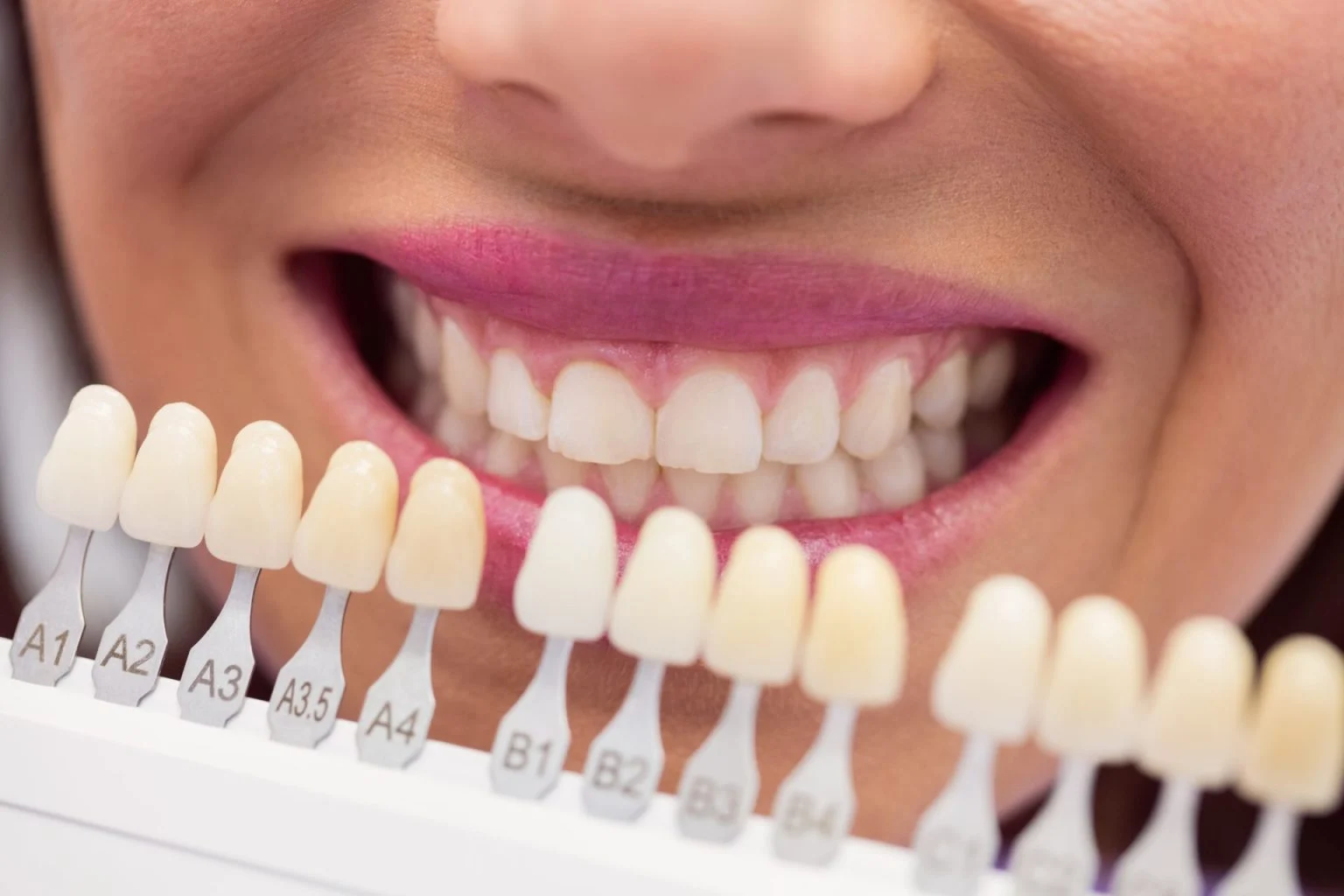
Investing in porcelain veneers represents a significant commitment to enhancing your smile’s appearance and your overall confidence. However, achieving beautiful results is only the beginning of your veneer journey. The longevity and continued beauty of your veneers depend largely on how well you maintain them through proper care and attention. Dr. Rita Kutsikovich, DDS, MPH, a board-certified prosthodontist at Premier Dental Associates, emphasizes that following comprehensive veneer care tips ensures your investment continues to provide natural-looking, durable results for many years to come.
Essential Daily Care Routine for Veneers
- Use a soft-bristled toothbrush: Hard or medium bristles can scratch the porcelain surface over time, dulling the natural luster that makes veneers so attractive.
- Choose non-abrasive toothpaste: Avoid whitening toothpastes or those containing harsh abrasives like baking soda, which can gradually wear down the polished veneer surface.
- Employ gentle circular motions: Aggressive scrubbing can damage both the veneers and the surrounding gum tissue. Use light pressure and let the brush do the work.
- Brush for two minutes twice daily: Consistency in timing ensures thorough cleaning without rushing through important areas around the veneer margins.
- Pay attention to the gum line: The junction between your veneers and gums requires careful cleaning to prevent plaque buildup and gum irritation.
Veneer Care Tips: Strategic Flossing Approaches
- Use gentle, vertical motions: Avoid snapping the floss against your gums or pulling horizontally across veneer edges, which could potentially dislodge or damage the bonding.
- Consider water flossers: These devices provide effective cleaning around veneers without the mechanical stress of traditional string floss.
- Choose appropriate floss types: Waxed floss slides more easily between teeth and is less likely to catch on veneer edges.
- Focus on veneer margins: Pay special attention to cleaning where the veneer meets your natural tooth and gum line, as these areas are prone to plaque accumulation.
Technique Refinements: The proper flossing technique for veneered teeth involves threading the floss gently between teeth, wrapping it around each tooth in a C-shape, and sliding it carefully up and down the tooth surface. Dr. Kutsikovich emphasizes that patients should never force floss into tight spaces, as this could potentially damage the veneer bonding or chip the porcelain edge.
Foods to Approach with Caution:
- Hard foods requiring excessive force: Ice cubes, hard candies, nuts, and crusty bread can crack or chip veneers if bitten with excessive force.
- Sticky or chewy substances: Caramels, taffy, and other sticky foods can potentially pull at veneer edges if they become lodged.
- Extremely hot or cold foods: Rapid temperature changes can cause expansion and contraction that may affect the bonding interface over time.
- Acidic foods and beverages: While porcelain resists staining better than natural teeth, acidic substances can still affect the bonding material and surrounding tooth structure.
Protective Eating Strategies:
- Cut food into smaller pieces: This reduces the force required for chewing and minimizes stress on veneer edges.
- Use back teeth for hard foods: When consuming harder foods, try to use your posterior teeth rather than biting down directly on veneered front teeth.
- Avoid using teeth as tools: Never use your veneered teeth to open packages, cut tape, or perform other non-eating functions.
- Practice mindful eating: Pay attention to how you’re chewing and avoid absent-minded habits that could damage your veneers.



Professional Maintenance: The Key to Long-Term Success
Veneer Care Tips: Specialized Professional Cleaning Techniques
- Ultrasonic scaling modifications: Professional hygienists use modified ultrasonic settings and specialized tips designed specifically for veneered teeth.
- Polishing paste selection: Special polishing compounds that won’t scratch or dull porcelain surfaces are essential for maintaining the natural luster of veneers.
- Margin assessment: Professional cleanings include careful evaluation of veneer margins to detect any signs of wear, chipping, or bonding issues before they become serious problems.
- Customized maintenance intervals: Dr. Kutsikovich may recommend more frequent cleanings for veneer patients, typically every four to six months instead of the standard six-month interval.
Preventive Staining Measures: Although porcelain veneers resist staining better than natural teeth, the bonding material and any exposed natural tooth structure can still discolor over time. Professional cleanings remove surface stains and plaque that home care might miss, particularly in hard-to-reach areas around veneer margins.
Comprehensive Veneer Evaluations
- Bonding integrity checks: Dr. Kutsikovich examines the interface between veneers and natural teeth to ensure the bonding remains strong and intact.
- Bite evaluation: Changes in your bite can create excessive pressure on certain veneers, potentially leading to chips or fractures.
- Gum health monitoring: The health of tissues surrounding veneers is crucial for long-term success and aesthetic appearance.
- Wear pattern analysis: Professional evaluation can identify unusual wear patterns that might indicate problems with bite alignment or bruxism.
Avoiding Destructive Habits: Protecting Your Investment
- Chewing on non-food items: Pens, pencils, ice cubes, and fingernails create concentrated force that can crack or chip veneer edges.
- Nail biting: This habit puts direct stress on front teeth and can cause veneer chipping or loosening over time.
- Teeth grinding (bruxism): Nighttime grinding creates enormous pressure that can crack veneers or wear down their surfaces.
- Jaw clenching: Prolonged clenching during stress or concentration can create excessive pressure on veneers.
- Using teeth as tools: Opening packages, cutting thread, or holding objects with your teeth can cause immediate damage to veneers.
Stress-Related Behaviors: Many destructive oral habits increase during periods of stress or anxiety. Dr. Kutsikovich helps patients recognize these patterns and develop alternative coping strategies that don’t compromise their dental work.
Protective Measures and Solutions
Custom Night Guards: For patients who grind or clench their teeth, Dr. Kutsikovich often recommends custom-fitted night guards that protect veneers from excessive force during sleep. These appliances are specifically designed to accommodate veneered teeth and provide optimal protection without interfering with the natural bite.
Your Partner in Veneer Care Tips
Achieving long-term success with your porcelain veneers requires a partnership between you and an experienced dental professional. Dr. Rita Kutsikovich’s extensive training as a prosthodontist, combined with her Master’s Degree in Public Health and Diplomate Status in the International Congress of Oral Implantologists, provides patients with the expertise needed to maximize their veneer investment.
Ready to ensure your veneers maintain their beauty and durability for years to come? Contact Premier Dental Associates today.