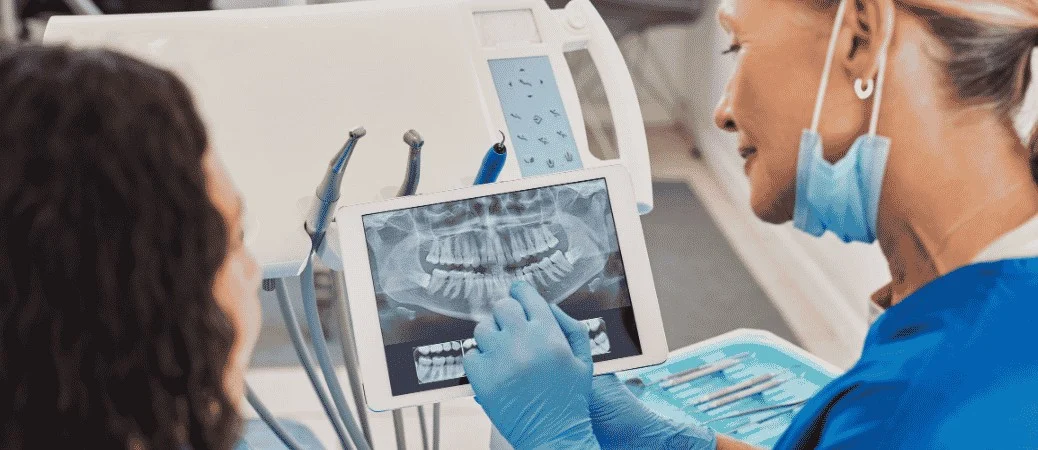
You might not even notice it happening, but your dentist checks for oral cancer almost every time you visit for a checkup.
An oral cancer screening is a quick, painless exam where your dentist looks at your mouth, tongue, and throat, and gently feels your neck and jaw, to catch early warning signs of oral cancer before they become serious.
The whole thing usually takes less than five minutes, which makes it one of the easiest ways to protect your health without adding extra time to your routine dental visit.
You may wonder why something so quick can matter so much. Early detection is the key to treating oral cancer successfully, and this simple screening helps your dentist spot changes in your mouth that you might miss on your own.
From reviewing your health history to checking specific areas of your mouth and neck, each step plays a role in keeping your oral health on track.
If you have ever been curious about what your dentist is actually looking for during this part of your visit, you are in the right place.
This article walks you through each step of the process, explains what happens if something unusual is found, and shares when you might need to schedule a visit outside your regular checkup.
Key Takeaways
- Your dentist checks several areas of your mouth, throat, neck, and jaw during a quick screening that fits easily into a routine visit.
- Reviewing your health history and habits helps your dentist understand your personal risk factors.
- If anything unusual is found, your dentist will guide you through simple next steps, which may include follow-up care or additional testing.
Table of Content
- What the Screening Checks and Why It Matters
- Your Health History and Risk Review
- The Visual Examination of Your Mouth and Throat
- The Gentle Hands-On Neck and Jaw Check
- If Your Dentist Finds an Area That Needs Attention
- When to Schedule a Visit Between Checkups
- Frequently Asked Questions
What the Screening Checks and Why It Matters
Your dentist looks at specific areas of your mouth, tongue, and throat during your regular dental visits to spot any changes early. This quick check plays a big role in catching problems before they become serious.
A Quick, Painless Part of Your Dental Exam
You won’t feel a thing during your oral cancer screening. It’s built right into your dental checkup, so you don’t need to schedule a separate visit.
Your dentist will look at your lips, cheeks, gums, tongue, and the roof of your mouth. They’re checking for tissue changes like unusual color, texture, or swelling.
They’ll also gently feel your jaw and neck for lumps or firm spots. This whole process happens during dental exam visits and takes just a few minutes.
Since it’s painless and fast, there’s no reason to feel nervous. Your dentist simply looks and feels for anything out of the ordinary while you sit back in the chair.
Why Early Detection Can Make a Difference
Catching abnormal tissue changes early gives you more treatment options and better outcomes. Oral cancer can be hard to notice on your own, especially in its early stages.
That’s why regular dental visits matter so much. Your dentist is trained to spot warning signs you might miss.
A lump in your neck, for example, can sometimes signal advanced oral cancer. Finding these signs sooner rather than later can make treatment easier and more effective.
Skipping your dental cleaning and checkup means missing this simple safety net. Since the screening only takes a few minutes, there’s little reason to put it off.



Your Health History and Risk Review
Before your dentist even looks in your mouth, they’ll ask about your health history and lifestyle habits. This quick conversation helps them know where to look more closely and what to watch for.
Risk Factors Your Dentist Will Discuss
Your dentist will ask about a few key things that raise your risk for oral cancer. Here’s what usually comes up:
- Tobacco use: Smoking, chewing tobacco, or using other tobacco products
- Alcohol consumption: Especially heavy alcohol consumption, which raises risk even more when combined with tobacco
- HPV infection: Human papillomavirus (HPV) is linked to a growing number of oral cancers, especially in younger patients
- Sun exposure: This matters for cancer risk on your lips
Your dentist isn’t trying to judge your habits. They just need the full picture so they know what signs to look for during your exam.
Being honest about tobacco use, alcohol use, or past HPV exposure helps them do their job better.
Why Everyone Can Benefit From Screening
You might think this only applies to people with obvious risk factors. That’s not true.
Oral cancer can show up in people who don’t smoke, rarely drink, and have no known HPV infection.
This is one reason oral cancer screening is a standard part of most dental checkups, not something reserved for high-risk patients only.
Your health history simply helps guide the exam. It doesn’t determine whether you get screened.
Every adult benefits from this quick check, regardless of age, habits, or background. Since the screening itself is quick and painless, there’s no real downside to including it in your routine visit.
The Visual Examination of Your Mouth and Throat
Your dentist takes a close look at your mouth and throat using a bright light and mirror. This part of the oral cancer exam checks several areas for anything unusual and only takes a few minutes.

Areas Your Dentist Examines Closely
Your dentist checks many parts of your mouth during this exam. Here’s what they look at:
- Lips: both the outside and inside surfaces
- Gums: around your teeth and along the gum line
- Cheeks: the inner lining on both sides
- Mouth lining: the soft tissue throughout your mouth
- Tongue: the top, sides, and underneath
- Floor of the mouth: the area under your tongue
- Palate: the roof of your mouth
- Throat: the back of your mouth and tonsil area
Your dentist may also do a tongue check by gently pulling your tongue out to see all sides clearly. They will look under your tongue too, since this area can be easy to miss.
Changes and Symptoms They Look For
Your dentist watches for specific signs during the exam. These include red patches, white patches, and any sores that look unusual.
White patches, also called leukoplakia, and red patches, known as erythroplakia, are two changes your dentist checks for closely.
Both can sometimes point to early cell changes, so your dentist notes their size, color, and location.
Your dentist also looks for:
- Unexplained bleeding in your mouth
- Numbness in your lips, tongue, or face
- Difficulty swallowing
- Sores that look different from regular canker sores
- Sores that haven’t healed after a couple of weeks
Canker sores usually heal on their own within a week or two. If a sore lasts longer than that, your dentist may want to check it again at a follow-up visit.
The Gentle Hands-On Neck and Jaw Check
After looking inside your mouth, your dentist will use their hands to feel your jaw and neck. This part of the exam checks for hidden changes that you can’t see just by looking.
How Palpation Helps Find Hidden Changes
Palpation just means using touch to check your body. Your dentist will gently press along your jaw, under your chin, and down the sides of your neck.
This lets them feel things that aren’t visible on the surface. They are checking your lymph nodes and tissue for any changes in size, shape, or texture.
The physical check usually takes about a minute. It’s painless and doesn’t require any special tools.
Your dentist is comparing one side of your neck to the other. This helps them notice if something feels different or out of place.
What Lumps, Swelling, and Tenderness May Mean
During this check, your dentist is looking for a few specific things:
- Unusual lumps or bumps under the skin
- Swelling in the jaw or neck area
- Tenderness when pressed
- Thickened areas or thickened tissue that feel firm
Most of the time, these signs don’t mean cancer. They can come from things like a cold, an infection, or even a swollen lymph node from a recent illness.
Still, your dentist takes note of anything unusual. If something feels off, they may ask you a few questions or suggest a follow-up visit to check if it changes over time.
If Your Dentist Finds an Area That Needs Attention
Most spots your dentist checks turn out to be harmless. But if they spot something like white patches, red patches, or unusual lumps, they will either watch it for a while or send you to a specialist for a closer look.
Monitoring a Persistent Sore or Patch
Not every unusual spot in your mouth means cancer. Canker sores and small irritations pop up often and usually heal on their own within a week or two.
If your dentist finds a spot that looks minor, they may just ask you to keep an eye on it. You’ll likely get a follow-up appointment in one to two weeks to see if it has healed.
Here’s what your dentist will watch for during that time:
- Changes in size, shape, or color
- Whether the spot becomes painful or stays painless
- If it heals completely or lingers
If the area doesn’t heal on its own, your dentist will move on to more testing to figure out what’s going on.
When a Biopsy or Specialist Referral Is Recommended
If your dentist notices abnormal tissue changes that don’t clear up, they’ll likely refer you to an oral surgeon or other specialist.
This step doesn’t mean you have cancer. It just means the spot needs a closer look that your dentist’s office can’t fully provide. It can also be an indication that you need periodontal treatment.
The specialist may perform a biopsy, where they remove a small tissue sample from the area. That sample gets sent to a lab, where a pathologist checks it under a microscope for abnormal cells.
Biopsy results typically come back within three to five days. Your dentist or specialist will call you with the results and explain what they mean along with any next steps you might need to take.
When to Schedule a Visit Between Checkups
You don’t have to wait for your next cleaning to have your mouth checked. Some changes need attention right away, while sticking to regular appointments helps catch problems early.
Symptoms That Should Be Evaluated Promptly
Certain changes in your mouth are worth a call to your dentist, even if your next visit is months away.
Watch for:
- A sore or patch that hasn’t healed in two weeks or more
- Unexplained bleeding in your mouth
- Lumps or swelling on your gums, cheeks, or neck
- Numbness in your lips, face, or tongue
- Difficulty swallowing or a feeling that something is stuck in your throat
- A rough or white/red patch on your tongue or the lining of your mouth
These signs don’t always mean cancer. But any of them should be checked out by a professional rather than watched and waited on.
Keeping Up With Preventive Dental Care

Regular dental visits are still your best tool for early detection. Most people only need an oral cancer screening once a year, but your dentist may recommend more frequent checks if you smoke, drink heavily, or have a family history of the disease.
A routine dental visit already includes a quick visual and physical exam of your lips, cheeks, tongue, and neck.
Keeping these appointments on the calendar means small changes get spotted before they become bigger problems.
If it’s been a while since your last cleaning, finding a dentist near you and getting back on schedule is a simple way to stay ahead of any issues.
Frequently Asked Questions
Oral cancer screenings are quick, simple, and painless, but you might still have questions about what to expect. Here are answers to the most common questions people ask about this important part of dental care.
How long does an oral cancer screening take?
An oral cancer screening usually takes less than five minutes. It’s a fast check that your dentist can easily fit into your regular appointment.
You won’t need to set aside extra time for it. Most people don’t even notice how quickly it’s done.
What happens during an oral cancer screening?
Your dentist will look at your mouth, throat, tongue, and neck for any signs of cancer. This includes a visual exam and a physical exam where they check the tissues in your mouth by hand.
They may feel your jaw and neck to check for lumps or swelling. They will also look inside your cheeks, under your tongue, and on the roof of your mouth for anything unusual.
What are the early warning signs of oral cancer?
Early signs of oral cancer include patches of red or white in your mouth, sores that don’t heal, or lumps you can feel. You might also notice pain when chewing or swallowing, or a change in how your voice sounds.
Some people notice a lump in the neck, which can be a sign of the disease. If you notice any of these changes, it’s a good idea to mention them at your next visit.
Will my dentist tell me if they suspect oral cancer?
Yes, your dentist will share what they find right after your screening. If they see anything that looks abnormal, they will refer you to a specialist for more testing, like a biopsy or cytology test.
Keep in mind that finding something during a screening does not mean you have cancer. It just means more testing is needed to find out for sure.
Who should get screened for oral cancer?
Most adults should get screened during their regular dental checkups. This is especially true if you smoke, drink alcohol often, or have a family history of cancer.
Even if you don’t have any risk factors, it’s still smart to get checked regularly. Early detection gives you the best chance for successful treatment if something is ever found.
Is an oral cancer screening painful?
No, an oral cancer screening is not painful. It’s a quick and gentle exam that involves your dentist looking at and feeling different areas of your mouth and neck.
You might feel slight pressure when they check your jaw or neck, but it shouldn’t hurt. Most people find the whole process quick and easy.