You’ve probably heard people talk about Invisalign and clear aligners as if they’re the same thing, but are they really?
The short answer is that Invisalign is a specific brand of clear aligner therapy, much like how Kleenex is a type of facial tissue.
While all Invisalign treatments use clear aligners, not all clear aligners are Invisalign, and the differences between them can affect your orthodontic treatment results, timeline, and overall experience.
Invisalign vs clear aligners therapy refers to the same general concept of using transparent trays to straighten your teeth, but Invisalign is the leading brand name with proprietary technology that sets it apart from other clear aligner options.
The technology behind these seemingly simple plastic trays makes a real difference in how your teeth move and how predictable your results will be.
Understanding what separates Invisalign from other clear aligners helps you make a smart choice about your smile.
Whether you’re dealing with crowded teeth, gaps, or bite issues, knowing the key differences between your orthodontic treatment options matters.
From the materials used to create the aligners to the software that plans your treatment, each aspect plays a role in your journey to a straighter smile.
Let’s break down what you need to know about aligner therapy so you can feel confident discussing your options with your dentist.
Key Takeaways
- Invisalign is a specific brand of clear aligner therapy with patented technology, not just a generic term for all clear aligners
- Different clear aligner systems vary in materials, treatment planning technology, and ability to handle complex orthodontic cases
- Your dentist’s expertise and your specific dental needs are the most important factors when choosing between aligner options
Table of Content
- What Are Clear Aligners and How Do They Work?
- Invisalign: The Leading Brand in Clear Aligner Therapy
- Comparing Invisalign to Other Clear Aligner Brands
- Treatment Complexity and Suitability
- Factors to Consider When Choosing an Aligner Therapy
- Frequently Asked Questions
What Are Clear Aligners and How Do They Work?
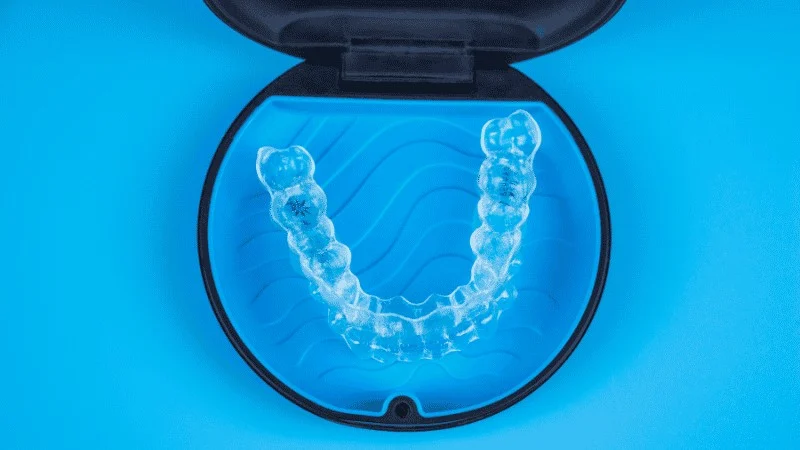
Clear aligners are transparent, removable trays made from smooth medical-grade plastic that fit snugly over your teeth to gradually straighten them.
They work by applying gentle, controlled pressure to shift your teeth into their correct positions over time.
The Basics of Aligner Technology

Clear aligners are virtually invisible orthodontic devices made from transparent, BPA-free plastic. Unlike traditional metal braces with brackets and wires, these trays wrap around your teeth and can be removed when you eat or brush.
You’ll wear each set of aligners for about one to two weeks before switching to the next set in your series. Each new tray is slightly different from the last, moving your teeth a little bit more with each change.
For the best results, you need to wear your aligners for 20 to 22 hours each day. The total number of trays you’ll use depends on how much your teeth need to move.
Custom-Made Trays and Tooth Movement
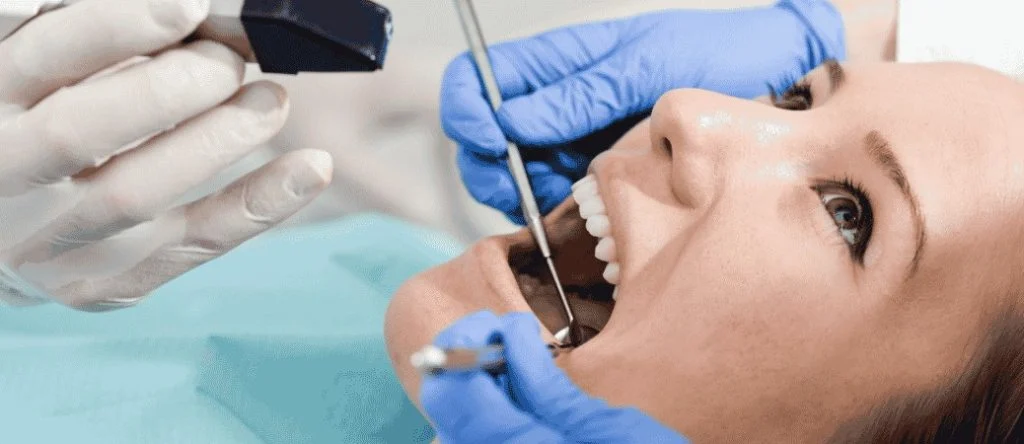
Before you start treatment, your orthodontist will take X-rays, photos, and digital scans of your teeth and jaws. They use this information to design your specific treatment plan in specialized software.
This plan shows exactly which teeth will move, in what order, and how far they need to go. Your custom-made trays are created using these initial scans as the starting point.
The aligners apply pressure to specific teeth at specific times. This pressure triggers a biological process where bone around your teeth gradually reshapes, allowing them to shift into new positions.
Moving teeth is complex and needs professional supervision from start to finish to ensure safe, effective results.
Treatment for Malocclusions and Bite Issues
Clear aligner therapy aims to create a healthy bite by repositioning all your teeth, not just the ones visible when you smile. The treatment can address various orthodontic problems including crowding, spacing, and alignment issues.
However, clear aligners may not work as predictably for severe malocclusions, significant tooth rotations, or large gaps. In these cases, traditional braces might offer more precision and control.
Your success with clear aligners depends heavily on your commitment to wearing them as directed. Since they’re removable, inconsistent wear can slow your progress or compromise your final results.
Invisalign: The Leading Brand in Clear Aligner Therapy
Invisalign stands apart from other orthodontic treatment options through its proprietary technology developed by Align Technology, specialized SmartTrack material, and multiple treatment programs designed for different needs.
Origins and Development by Align Technology
Align Technology created Invisalign in 1997 as the first clear aligner system to transform orthodontic treatment. The company invested decades in research and development to perfect the technology behind these transparent trays.
Unlike other clear aligner brands that entered the market later, Invisalign built its foundation on advanced 3D imaging and treatment planning software.
This technology allows your dentist or orthodontist to map out your entire treatment journey before you even start.
Align Technology continues to improve its system through ongoing research. The company has treated over 14 million patients worldwide, which gives them a huge database to refine their approach.
This experience means your treatment plan benefits from years of real-world results and improvements.
Unique Features Like SmartTrack Material
SmartTrack material sets Invisalign apart from generic clear aligners. This proprietary plastic was specifically designed by Align Technology to move your teeth more effectively than standard aligner materials.
The material applies gentle, constant pressure to your teeth while staying comfortable in your mouth. SmartTrack aligners fit better and are less likely to crack or break during your treatment.
You’ll find that SmartTrack aligners are also more flexible than other plastics. This means they’re easier to put on and take off, but they still maintain the right amount of force to shift your teeth.
The material is clear and stain-resistant, so your aligners stay nearly invisible throughout wear.
Types of Invisalign Treatment Programs
Invisalign offers several treatment programs to match your specific orthodontic needs. Invisalign Comprehensive handles complex cases that might involve significant tooth movement or bite corrections.
Invisalign Lite works well if you need minor adjustments. This program uses fewer aligners and takes less time to complete.
For teenagers, Invisalign Teen includes special features like compliance indicators that show parents if their child is wearing the aligners enough. The program also comes with replacement aligners in case any get lost.
Invisalign Express provides the quickest option for very minor tooth movements. You might finish treatment in just a few months with this program.
Your orthodontist will determine which program fits your situation based on your examination and treatment goals.
Comparing Invisalign to Other Clear Aligner Brands
Several clear aligner brands compete in today’s market, each offering different levels of technology, supervision, and pricing.
The main differences come down to whether you receive professional oversight, what materials and features each brand uses, and how treatment is delivered to you.
ClearCorrect, Byte, and Other Major Brands
ClearCorrect operates similarly to Invisalign by requiring you to work with a dentist or orthodontist throughout your treatment.
Your provider takes digital scans, creates a treatment plan, and monitors your progress with regular checkups. This brand can handle mild to moderate cases but may have limitations with more complex bite issues.
Byte takes a hybrid approach by offering both at-home and in-office options. Their at-home program involves sending impressions by mail, while their dentist-directed option includes professional supervision.
SmileDirectClub follows a similar model, primarily focusing on remote treatment with virtual check-ins instead of in-person visits.
AlignerCo represents the budget-friendly end of the spectrum. You complete the entire process from home without regular professional monitoring. These orthodontic treatment options work best for minor crowding or spacing issues.
Mail-Order and Generic Aligners vs Professional Supervision
Mail-order aligners let you start treatment without visiting an orthodontist’s office. You take your own impressions or use a scanning kit at home, submit photos, and receive aligners by mail.
This approach costs less upfront, typically ranging from $1,800 to $2,500.
The tradeoff is reduced oversight. Without regular in-person checkups, problems like gum irritation, cavities, or incorrect tooth movement might go unnoticed.
Professional supervision with Invisalign allows your provider to catch these issues early and adjust your treatment plan.
Generic aligners often lack the precision of custom-made options. They may not fit as comfortably or move your teeth as predictably as systems designed with advanced digital planning tools.
Brand-Specific Technologies (HyperByte, SmartForce Attachments)
Different brands use unique technologies to improve results. Invisalign’s SmartForce attachments are small tooth-colored bumps placed on specific teeth to help aligners grip better and control movement more precisely.
Their SmartTrack material was designed specifically for clear aligners and provides consistent force.
Byte offers HyperByte, a vibration device you use for five minutes daily. The company claims it speeds up treatment and reduces discomfort, though you need to use it consistently for the intended benefits.
Some clear aligner brands include smartphone apps for tracking progress and communicating with providers. Others offer whitening treatments or retainers as part of their packages.
These extras vary significantly between companies and may influence which option fits your needs best.
Treatment Complexity and Suitability
Not all orthodontic treatment options work the same for every case. The type of teeth straightening system that works best for you depends on how much your teeth need to move and what kind of bite issues you have.

Mild, Moderate, and Severe Cases
Clear aligner treatment works well for different levels of complexity, but some systems handle certain cases better than others. Mild cases like small gaps or minor crowding typically respond well to most aligner brands.
These situations usually need less force and fewer attachments.
Moderate cases involve more significant spacing issues, rotations, or bite adjustments. Both Invisalign and other clear aligners can address moderate malocclusions, though treatment times may vary between systems.
Severe cases present bigger challenges. Deep overbites, significant rotations, or complex jaw alignment issues often need more precise control.
Invisalign typically handles these better due to its SmartTrack material and advanced attachment systems. Some generic clear aligners may not provide enough force for severe movements.
Addressing Complex Tooth Movements
Different orthodontic treatment systems handle specific movements with varying success. Rotating teeth, especially canines and premolars, requires strong, controlled force that not all aligners deliver equally.
Movements that need extra precision:
- Vertical tooth movements (intrusion and extrusion)
- Root positioning and torque control
- Closing large extraction spaces
- Correcting severe rotations over 20 degrees
Invisalign uses small tooth-colored attachments bonded to your teeth that give aligners better grip for complex movements.
Alternative clear aligner systems may use fewer attachments, which can mean more comfort but less control for difficult cases.
Limitations of Different Aligner Systems
Each orthodontic treatment option has boundaries you should know about. Generic clear aligners often work best for cosmetic improvements rather than fixing significant bite problems.
They may struggle with severe crowding that needs more than 6mm of space creation.
Some clear aligner brands are not suitable for severe orthodontic cases due to material flexibility and less rigid quality standards. Traditional braces might still be your best choice for complex jaw surgeries or extreme malocclusions.
Your dentist will evaluate your bite, root positions, and jaw relationship before recommending which system fits your needs.
Cases requiring precise root movement or significant bite changes typically need the more advanced technology that established brands offer.



Factors to Consider When Choosing an Aligner Therapy
Price differences can reach thousands of dollars between options, and the level of doctor involvement varies significantly across clear aligner brands.
Material quality and professional oversight directly impact both your comfort and the safety of your orthodontic treatment.
Cost, Insurance, and Accessibility
Invisalign typically costs between $4,500 and $7,500 depending on how complex your case is. Many at-home clear aligner brands advertise prices around $2,000 to $3,000, which seems attractive upfront.
However, comparing clear aligner therapy versus Invisalign requires looking beyond the initial price tag. Lower-cost options may not include professional adjustments or solutions when complications arise.
This can add unexpected expenses later.
Most dental insurance plans cover a portion of orthodontic treatment options, whether you choose Invisalign or traditional braces. Check if your insurance applies to the specific clear aligner treatment you’re considering.
Some at-home brands don’t qualify for insurance benefits at all.
Many orthodontic offices offer payment plans that make Invisalign more accessible. You can often spread the cost over 12 to 24 months with no interest.
When you factor in professional monitoring and the reduced risk of complications, the long-term value might justify the higher upfront investment.
Comfort, Fit, and Material Differences
Invisalign uses a patented SmartTrack material designed specifically for predictable tooth movement and comfort. This material feels smoother against your gums and cheeks compared to some other clear aligner brands.
The precision of your aligners depends heavily on how they’re made. Invisalign creates trays from detailed 3D scans taken in your orthodontist’s office. Some mail-order options rely on impressions you take at home, which can be less accurate.
Poor-fitting aligners cause several problems:
- Gum irritation and soreness
- Unpredictable tooth movement
- Extended treatment time
- Difficulty speaking clearly
Invisalign can also use attachments (small tooth-colored bumps) and elastics for better control during complex cases. Many alternative clear aligner brands don’t offer these customization features.
If you need significant bite correction, you’ll likely need the advanced features that come with professionally supervised treatment rather than basic at-home aligners.
Professional Monitoring and Safety
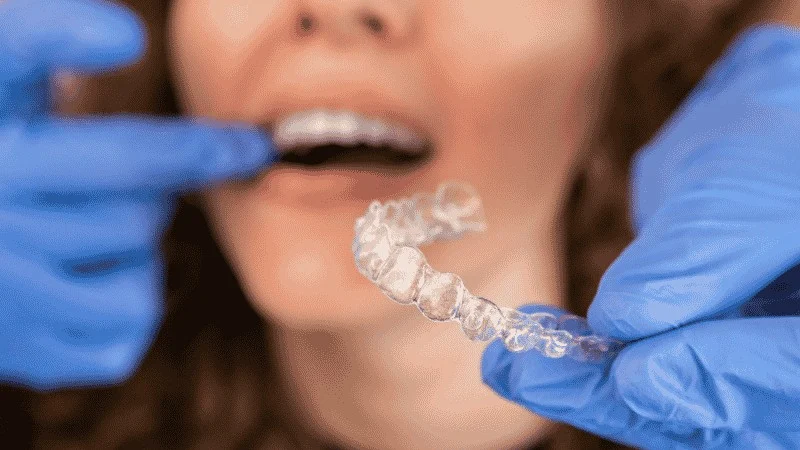
Treatment supervision is one of the biggest differences between Invisalign and many competing brands.
With Invisalign, a licensed orthodontist or dentist evaluates your teeth, creates your digital treatment plan, and monitors your progress through regular checkups.
Some at-home aligner companies offer limited or no in-person supervision. You’re responsible for tracking your own progress and identifying problems. This convenience comes with real risks.
Regular dental visits allow your orthodontist to catch issues early. They can spot cavities, gum disease, or unexpected tooth movement before these problems become serious.
Without professional oversight, aligners that don’t fit correctly can cause gum damage or move teeth in harmful ways.
Your orthodontist can also adjust your treatment plan if needed. Teeth don’t always move exactly as predicted, even with advanced technology.
Having a professional who can modify your approach ensures you get safe, effective results instead of just straight-looking teeth that might not be healthy.
Frequently Asked Questions
Many people wonder about the differences between Invisalign and other clear aligner options, especially when it comes to cost, safety, and treatment outcomes.
Here are answers to common questions that can help you make an informed decision about your orthodontic care.
Is Invisalign a type of clear aligner treatment, or is it something different?
Invisalign is a specific brand of clear aligner treatment. It’s not a separate type of orthodontic device.
All clear aligners work the same basic way. They use transparent plastic trays to gradually move your teeth into better positions.
What makes Invisalign different from other clear aligner brands is its proprietary SmartTrack material and advanced planning software. The company developed this material specifically for tooth movement and patient comfort.
How do Invisalign and other clear aligner brands compare in cost?
Clear aligners generally cost between $1,200 and $8,000, while Invisalign treatments typically range from $1,800 to $9,500. The price difference reflects variations in technology, materials, and professional oversight.
Your total cost depends on several factors. The complexity of your case matters most, along with your location and the provider you choose.
Some generic clear aligner companies offer more flexible payment plans. These might include options without credit checks. Invisalign providers usually require more structured payment arrangements.
Many dental insurance plans cover part of the cost for both types of treatment. Check with your insurance provider to understand your specific coverage.
Do results and treatment time differ between Invisalign and other clear aligners?
Treatment time and results can vary between Invisalign and other clear aligner brands. Invisalign typically takes 12 to 18 months for comprehensive correction.
The best choice between Invisalign and other clear aligners depends on your specific orthodontic needs. Invisalign works better for complex cases, while more affordable options may work fine for mild to moderate alignment issues.
Your results depend heavily on the skill of your provider and how well you follow instructions. You need to wear your aligners 20 to 22 hours daily for either option to work properly.
Generic clear aligners can deliver good results in the right hands. However, they might lack the precision and predictability that Invisalign’s advanced technology provides.
What should I look for when choosing among different clear aligner brands?
Start by considering the complexity of your dental issues. Simple spacing or mild crowding might respond well to budget-friendly options.
Look at the level of professional oversight each option provides. Invisalign requires consistent in-person orthodontist visits to monitor progress and make adjustments. Some other brands offer primarily remote consultations.
Check what technology the provider uses for treatment planning. Advanced 3D scanning creates more accurate models of your teeth than basic impressions.
Review the materials used in the aligners themselves. Higher-quality plastics tend to be more comfortable and effective at moving teeth.
Ask about what happens if you need adjustments during treatment. Some providers include refinements in their initial price, while others charge extra.
How do clear aligners compare with clear retainers, and when do you use each one?
Clear aligners and clear retainers look similar but serve completely different purposes. Aligners actively move your teeth into new positions over time.
Retainers hold your teeth in place after orthodontic treatment ends. They prevent your teeth from shifting back to their original positions.
You wear aligners for 20 to 22 hours daily and change to a new set every one to two weeks. Each new aligner continues the gradual movement of your teeth.
You typically wear retainers only at night once your treatment is complete. Some people need to wear them full-time initially, then transition to nighttime wear.
Retainers are thinner and less rigid than aligners. They’re designed for long-term comfort since many people need to wear them indefinitely to maintain their results.
Is it safe to choose at-home clear aligners instead of dentist- or orthodontist-supervised treatment?
At-home clear aligners carry more risks than professionally supervised treatment. Without in-person exams, underlying dental problems might go undetected.
Issues like gum disease, tooth decay, or jaw problems need to be addressed before starting any orthodontic treatment. These conditions can worsen if you move teeth without proper monitoring.
Remote consultations can’t fully replace hands-on evaluation. Your provider might miss important details about your bite, tooth roots, or bone structure from photos alone.
Professional oversight ensures more accurate tooth movement and treatment customization. Regular in-person checkups allow your orthodontist to make necessary adjustments throughout your treatment.
If something goes wrong during at-home treatment, you might need additional dental work to fix the problem. This could end up costing more than choosing supervised treatment from the start.
Consider seeing a dentist or orthodontist for an initial consultation even if you’re interested in at-home options. They can assess whether your case is simple enough for remote treatment or if you need more intensive care.